Why lounge screens matter in living spaces
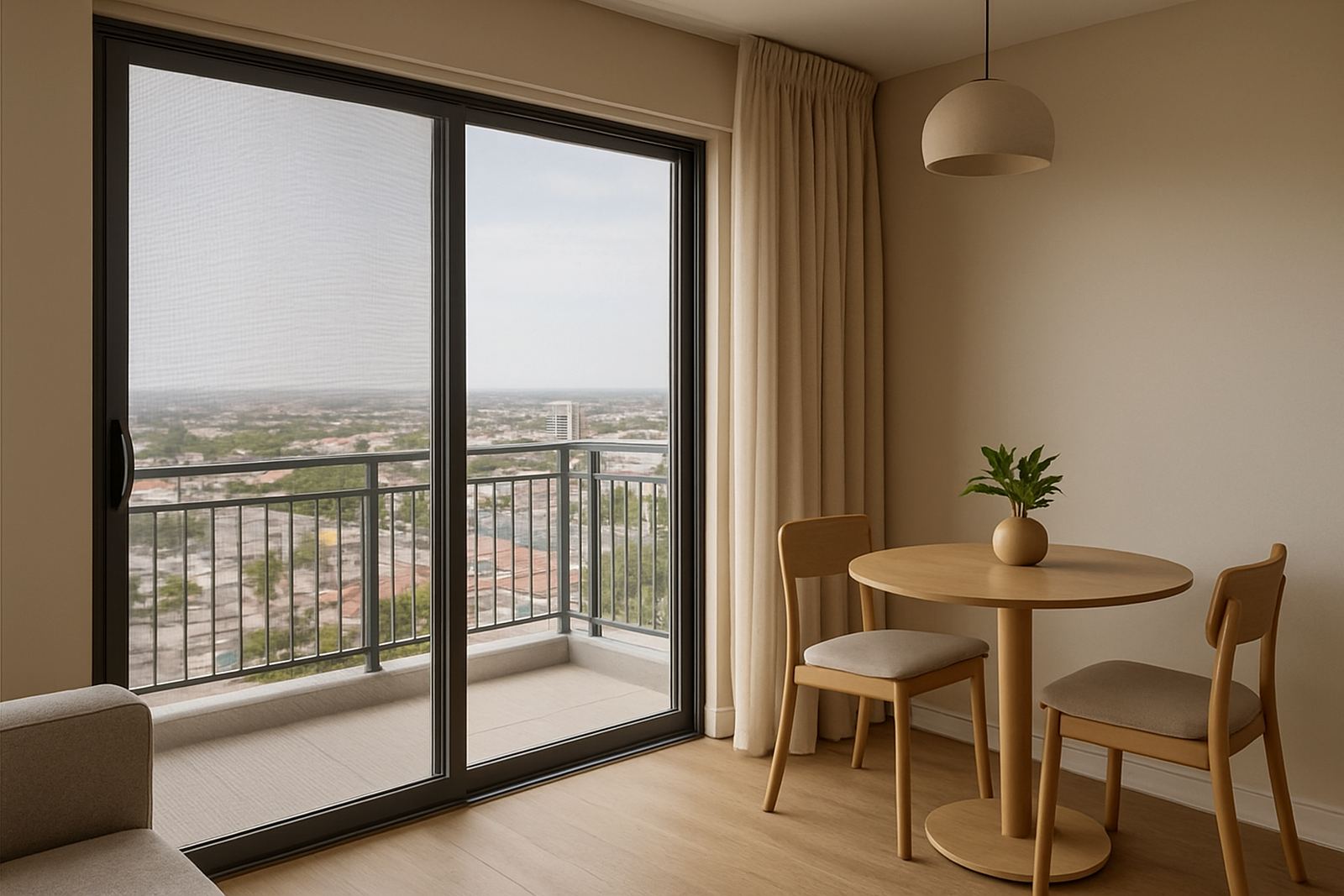
The lounge is usually the busiest room in the house. Doors open for airflow, windows stay ajar for a sea breeze, and family members move in and out through the day. That is exactly when insects get in. A proper lounge screen lets you keep the room cooler and more comfortable without shutting everything up and running fans all day.
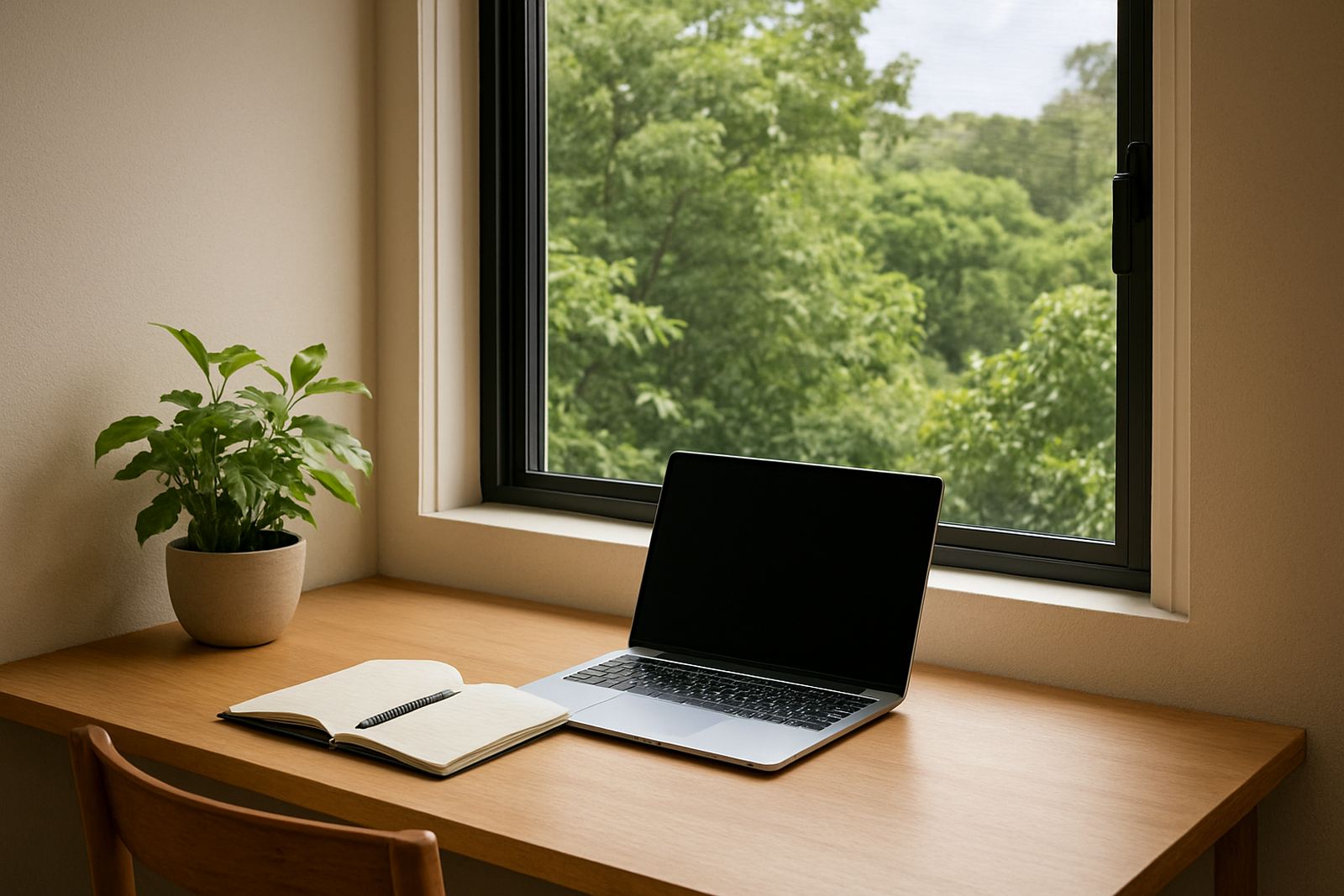
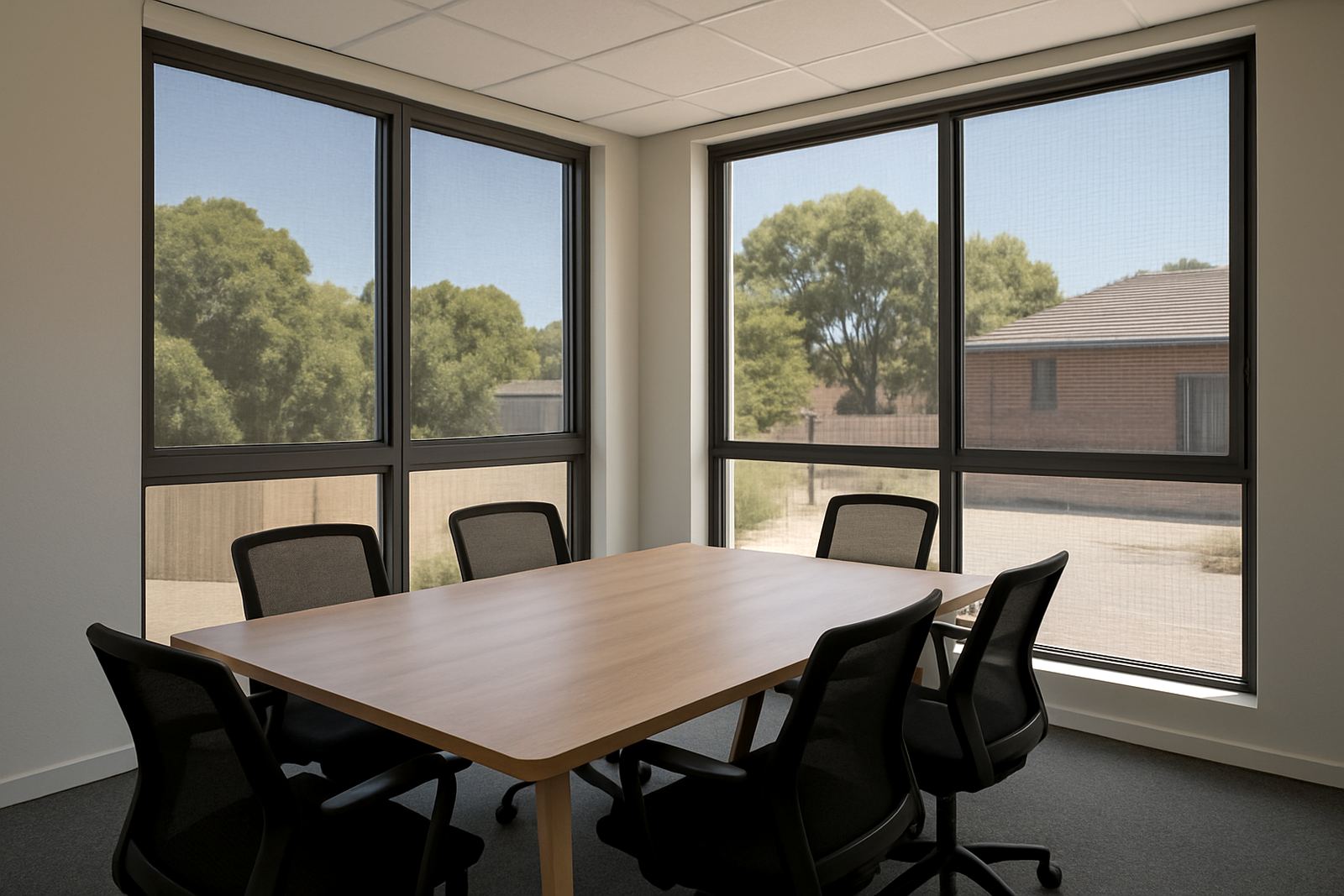
For homes in Gqeberha, Walmer, Jeffreys Bay, St Francis Bay and nearby areas, lounge screens are especially useful in summer and during humid spells. They help with flies after the bins go out, moths around evening lights, and mosquitoes near garden doors. In business settings such as reception lounges, guest areas, and small offices, they also give visitors a neater, cleaner feel without constant pest sprays.
ScreenMaster works on site measurements and custom manufacture, so the screen suits the opening rather than forcing the opening to suit the screen. That matters where older homes have uneven plaster, timber frames, or patio doors that are not perfectly square.
Common lounge screen setups we fit
There is no single lounge screen setup that suits every home. The right option depends on whether you have hinged doors, sliding doors, stacker openings, or windows that need to stay partly open for airflow. In many lounges the screen has to work around curtains, furniture placement, and the way people actually use the room.
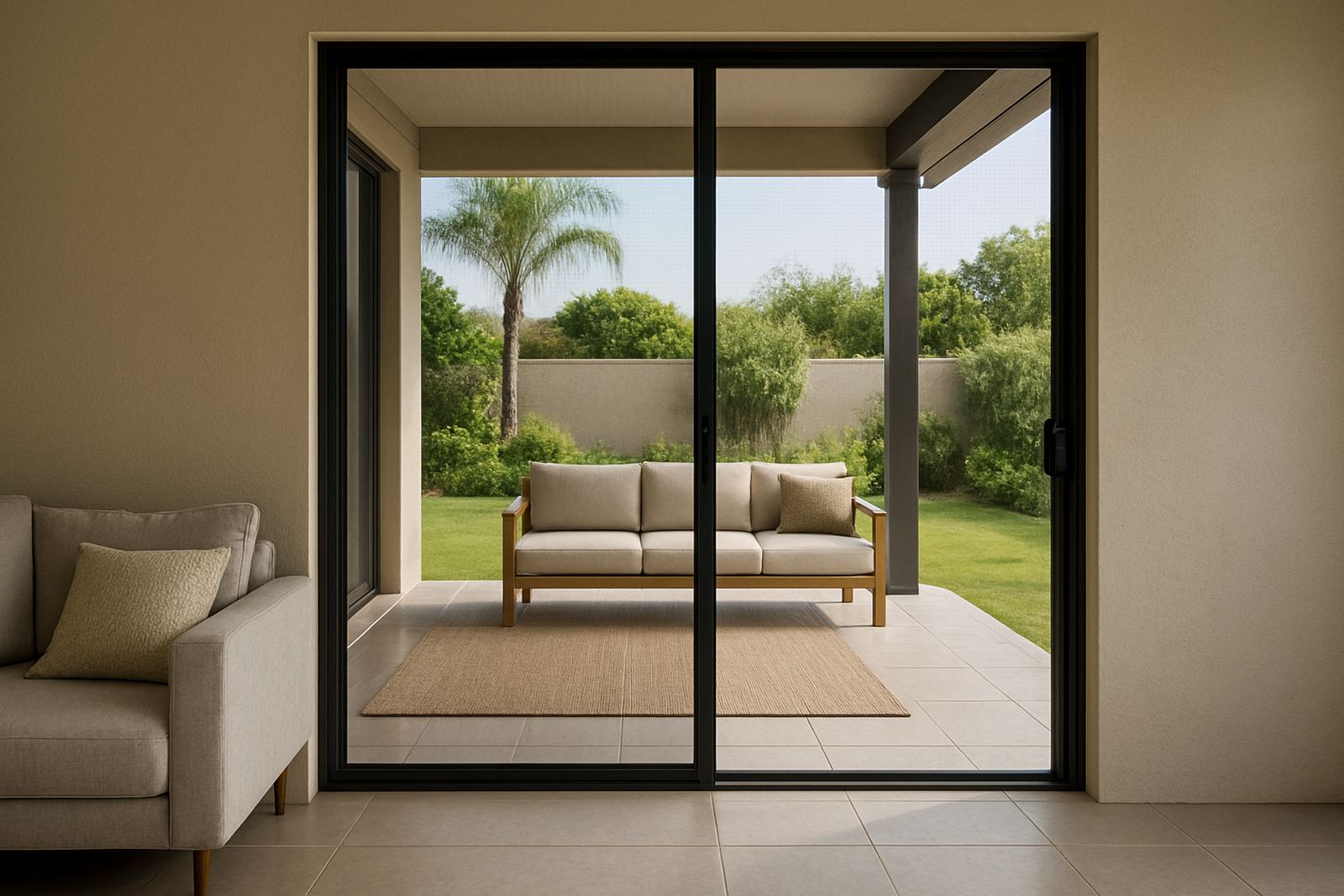
- Sliding insect screens for patio doors and large openings
- Hinged screens for side doors leading to verandas or gardens
- Fixed screens for windows that stay open more often than they close
- Security screens where the lounge opens onto a street-facing area
- Mesh replacement for screens that still have good frames but damaged mesh
For homes near the coast, we often suggest materials and hardware that cope better with salt in the air. If a lounge screen is going to be opened daily, the track and rollers should also be set up for smooth movement not a tight fit that jams after a few months.
Planning the layout before you order
Good results start with a clear look at the room. Measure the clear opening, check the clearance for handles and catches, and look at where the screen will park when opened. If the lounge has heavy curtains, plant stands, or a nearby sofa, these details affect how the screen should move and where the track can sit.
For wider openings, it helps to decide early whether the screen should be discreet or more protective. Some clients want a plain insect screen that disappears into the opening. Others want a security screen that keeps the room ventilated after load shedding, while the house is still protected. In gated estates and complexes, you may also need to check body corporate rules before fitting visible external hardware.
- Check the opening width and height at more than one point
- Note whether the floor is level across the full span
- Confirm if the door or window opens in, out, or slides across
- Allow for curtains, handles, burglar bars, and skirtings
- Decide if the screen must match existing colours or finishes
A small gap or a badly placed rail can make a lounge screen annoying to use. It is worth taking the time to plan the movement path before the unit is manufactured.
What usually goes wrong with lounge screens
Most problems come from rushing the measuring or choosing a screen that is too light for regular use. In lounge areas, people open and close screens many times a day, so loose rollers, weak corners, or poor alignment show up quickly. Coastal humidity can also affect fittings if the wrong hardware is used.
Another common mistake is choosing mesh only on price. Very open mesh may let more air through, but it can also be easier to damage and may not suit a home with cats, children, or strong wind. On the other hand, a tighter mesh can block insects better but may reduce airflow slightly. The right balance depends on the room and how the family lives in it.
We also see screens fitted without proper aftercare thinking. If a track gets filled with dust and grit from the garden path, it starts sticking. Regular cleaning and seasonal checkups help keep the screen moving as it should. In many cases a simple track service or hardware replacement is enough to avoid a full replacement.
Budget ranges for lounge screens in Rand
Costs vary by opening size, type of screen, mesh choice, and whether the fit is a simple window screen or a larger door system. For a lounge, the budget can range quite a bit because there is a big difference between a single fixed panel and a custom sliding setup for a wide patio opening.
As a broad guide, smaller lounge windows can be quoted per screen, depending on size and finish. Sliding or hinged lounge door screens often fall a quoted price. Larger or security rated lounge openings, especially those needing stronger hardware or more detailed manufacture, is quoted per job. Repairs, mesh replacement, or track servicing are usually far less than a full new install. Ask for a quote
For homes in Walmer or Gqeberha where several lounge openings need treatment at once, a measured rollout can reduce the per-unit cost. That is often the best route for landlords, guesthouses, estate properties, and small commercial spaces with more than one room to cover.
Aftercare for everyday use
Once your lounge screen is fitted, the aim is simple use with very little fuss. Keep the track clean, wipe the frame now and then, and make sure the screen is not forced if something is in the way. A screen that is treated well can last for years with only light maintenance.
ScreenMaster also handles repairs, mesh replacement, track servicing, hardware replacement, and seasonal checkups. That matters when the lounge is the main point of entry for fresh air and the screen carries daily wear. If something starts rubbing or the closing action feels rough, it is better to sort it early than wait until the frame is damaged. A small adjustment now is cheaper than a full rework later.
For homes close to the coast or near busy roads, a simple aftercare routine can make a real difference. It keeps the screen neat, helps the room stay more comfortable, and protects your investment over the long term.
When a lounge screen is the right choice
A lounge screen is a good fit when you want air movement, insect control, and a neater living area without shutting the room up. It suits family homes, rental properties, retirement units, holiday houses, and business reception spaces across the Eastern Cape. If you spend time in the lounge in the late afternoon or evening, you will notice the difference quickly.
For advice, site measurements, and a screen that suits the way your lounge is actually used, ScreenMaster works from its Walmer base in Gqeberha and installs across the region. The right screen should open easily, look tidy, and handle daily use without becoming a job of its own.