What track servicing covers on sliding screens
Track servicing is the practical maintenance that keeps a sliding screen moving properly. It covers the bottom and top tracks, rollers, guides, stops and the small fixings that affect alignment. In coastal areas like Walmer, Summerstrand and St Francis Bay, fine sand and salt in the track can slow a screen down quickly, especially on patio openings that get used every day.
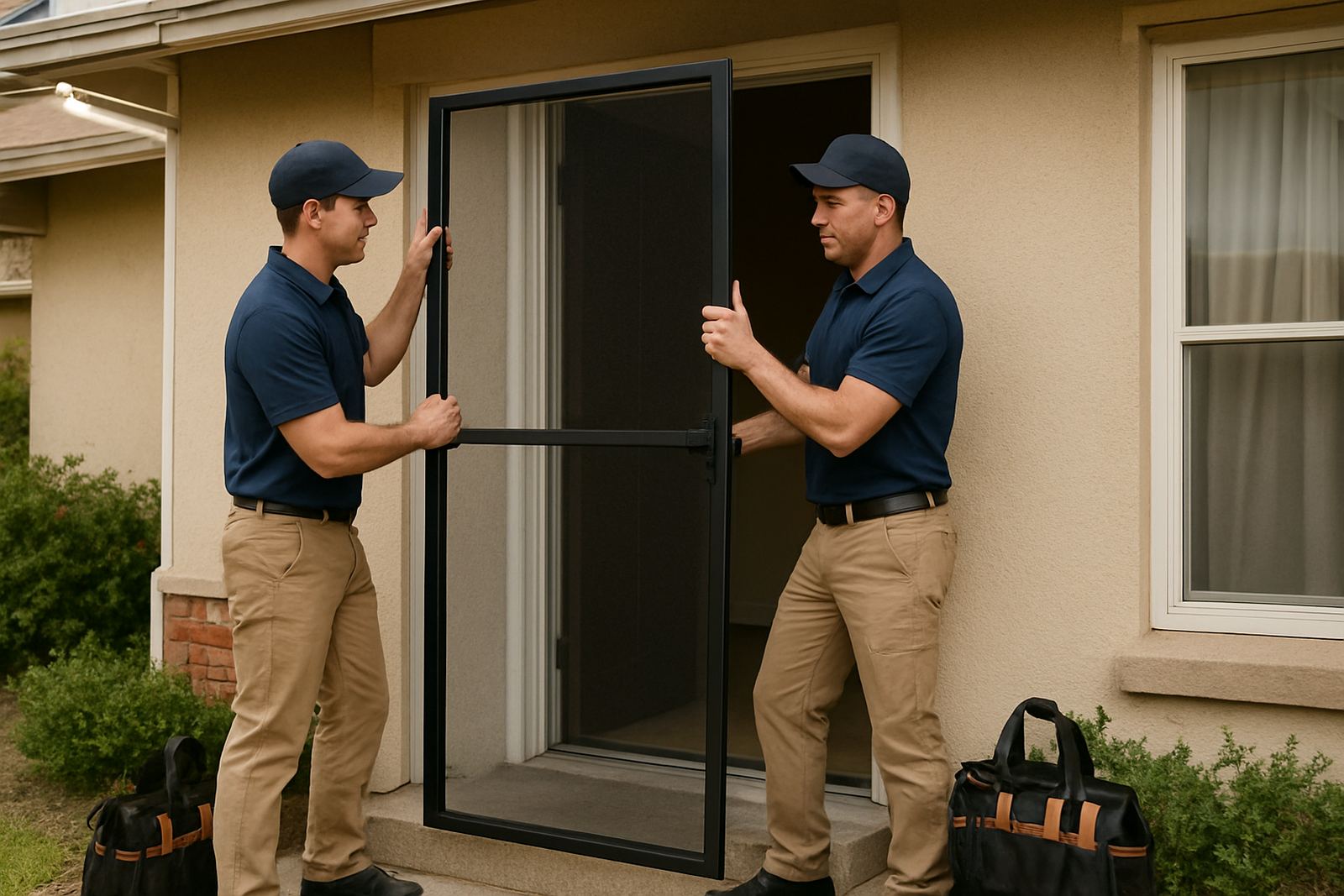
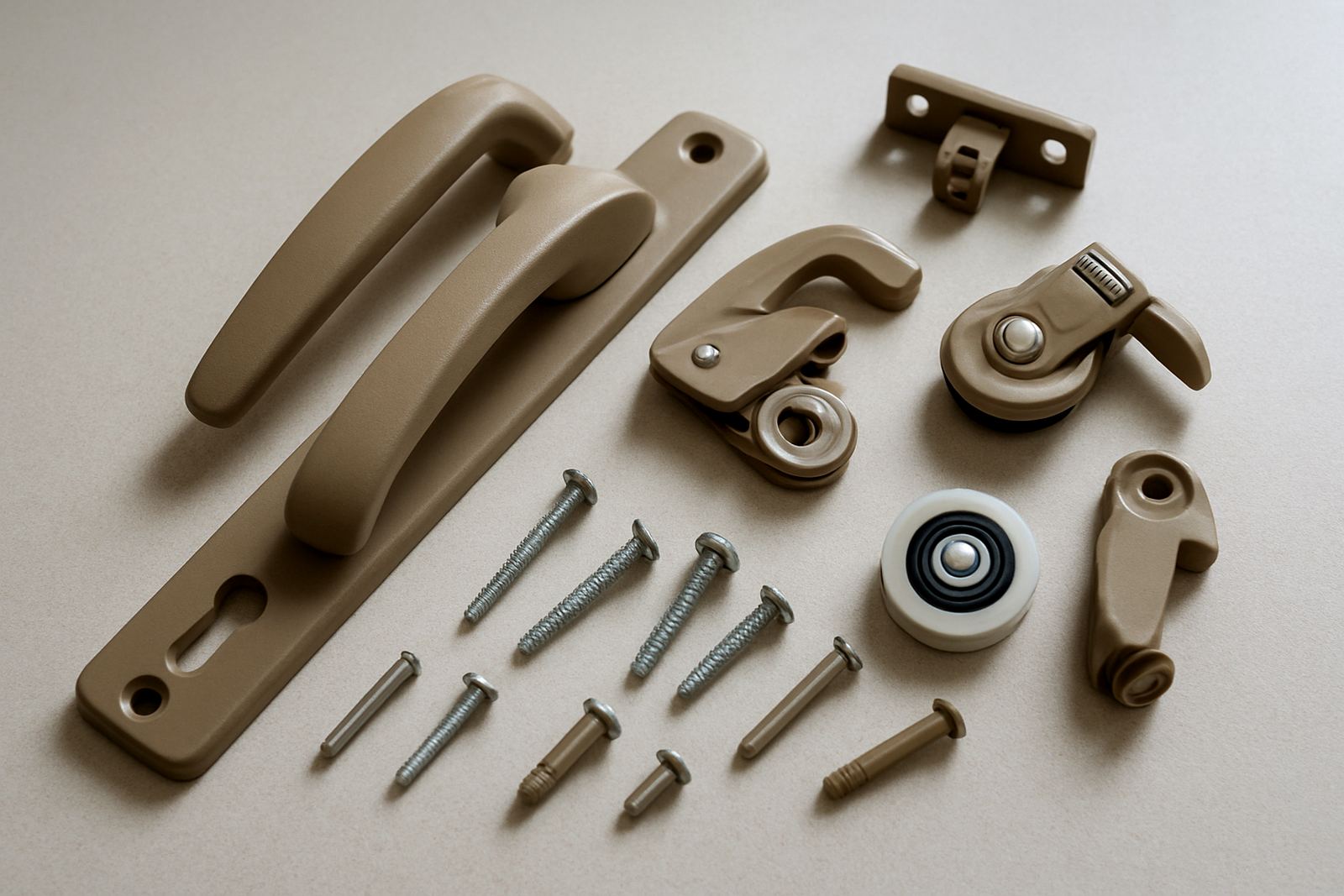
We start by checking how the screen runs, where it binds, and whether the problem is dirt, wear or a frame that has shifted slightly. Then we clean out the track, adjust the roller height if needed, and make sure the leaf sits square in the opening. If parts are worn, we can replace the necessary hardware on the spot where possible.
- Bottom track cleaning and debris removal
- Top and bottom roller adjustment
- Guide and stop check
- Minor alignment correction
- Hardware tightening and lubrication where suitable
Signs your sliding track needs attention
If your screen is stiff, noisy or needs a push to close, it is usually telling you the track needs attention. You may also notice the screen lifting off the rail, sticking at one point, or scraping along the aluminium. In homes around Newton Park and Despatch we often find the issue is not the mesh at all, but track grime built up over time.
After winter, or after a windy spell that blows in dust and grit, the movement can change quite quickly. On coastal properties, salty moisture can leave a crust in the track and make rollers wear faster. Small issues become bigger ones when the screen is forced open and closed every day, so a service at the right time saves money later.
- Scraping, grinding or rattling when sliding
- Screen does not close flush
- Gap at the latch side or top edge
- Rollers feel hard or uneven
- Track looks dirty, pitted or corroded
Our step by step servicing process
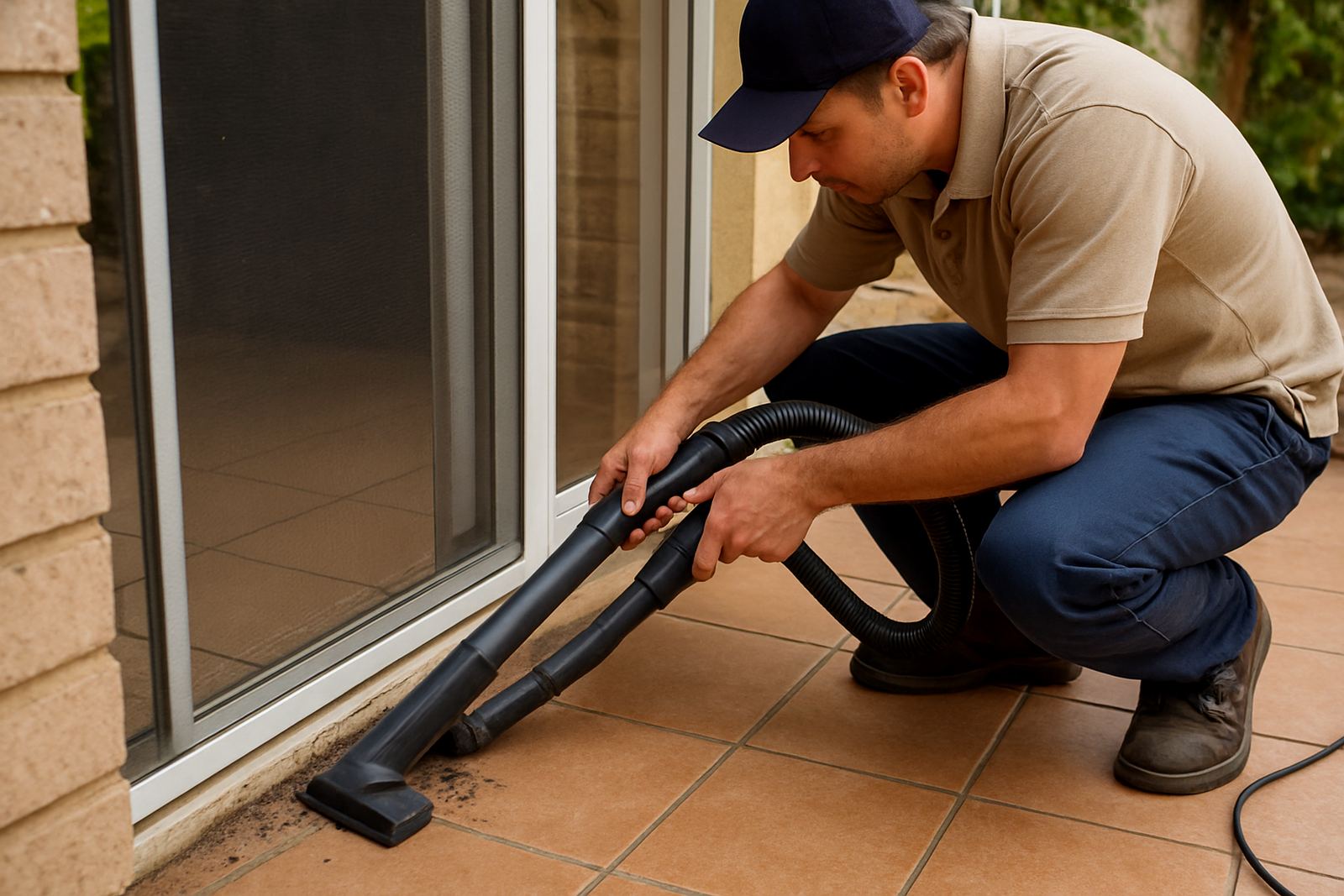
We keep the process straightforward. First, we inspect the screen and the opening to see whether the issue is in the track, the rollers or the frame. Then we remove loose dirt, wash down the track, and clear any packed grit from corners and joins. If the screen can be lifted safely, we check the roller condition and adjust the height so the panel rides correctly.
Next, we test the movement several times and check the latch line, side clearance and travel stop. If we see worn wheels, bent guides or loose fittings we will recommend the next fix before the damage spreads. For many clients in Gqeberha, this service is done in one visit, though older installations may need a follow up if parts must be manufactured or matched.
- Inspection and fault finding
- Track cleaning and wash down
- Roller and guide adjustment
- Function test and final check
- Advice on wear, repairs and upkeep
Typical turnaround and what affects it
For standard track servicing, the turnaround is usually quick once a site visit is booked. Simple cleaning and adjustment jobs are often completed during the appointment, while more involved repairs may need a return visit if hardware replacement is required. We work across Walmer, Jeffreys Bay, Uitenhage and the surrounding areas, so appointment timing depends on route planning and the size of the job list for the day.
Turnaround also depends on the condition of the existing screen. A lightly used bedroom window screen is far quicker to service than a heavy patio unit exposed to wind, sand and daily traffic. If the track has corrosion, the frame is out of square, or the rollers have seized, the work will take longer. We would rather take the extra time and get it moving properly than do a quick patch that fails again in two weeks.
Pricing is based on the actual condition of the system
Track servicing is priced according to what the screen needs, not a one size fits all figure. We look at the number of sliding units, the height and width of the opening, access, condition of the track and whether replacement parts are needed. That keeps the pricing fair for homeowners, body corporates and commercial sites alike.
For example, a straightforward clean and adjustment on a single sliding screen will cost less than a set of patio screens with worn rollers and damaged guides. If parts are required, we will confirm the options before any extra work goes ahead. This approach helps clients budget properly and avoid surprise costs later on.
- Single unit or multiple openings assessed separately
- Parts only quoted when needed
- Commercial and estate work can be scheduled in batches
- Preventive servicing is usually cheaper than emergency repairs
How often tracks should be serviced in our climate
In coastal Eastern Cape conditions, most sliding screen tracks should be checked at least once a year. Homes close to the sea, or properties that get strong wind and blown sand, may need service every 6 months. If the screen is used heavily on a stoep, patio or office entrance, a seasonal checkup is a good idea before summer and again after winter.
Regular servicing helps prevent rollers from wearing flat, reduces strain on the frame and keeps the seal line neater. It also supports smoother operation during load shedding when doors and windows may be opened more often for airflow. If you already have an annual maintenance routine for gates, hinges or aluminium joinery, add the screens too, it saves hassle later.
- Annual service for most homes
- 6 monthly service for coastal or high use openings
- Before summer and after winter for seasonal maintenance
- After building work, storms or sand build-up
Key facts
| Service type | Sliding insect and security screen track servicing |
|---|---|
| Track materials | Aluminium tracks with stainless or plated fixings where specified |
| Typical opening sizes | Common residential and commercial sliding openings from 700 mm to 2400 mm wide |
| Service actions | Cleaning, roller adjustment, guide correction, minor alignment, hardware checks |
| Common problem areas | Sand build-up, salt corrosion, worn rollers, loose stops, misalignment |
| Coverage | Walmer, Gqeberha, Summerstrand, Newton Park, Uitenhage, Despatch, Jeffreys Bay, St Francis Bay and wider Eastern Cape |