Custom fitting for local homes and living spaces
Home installations are planned around the way you use each opening, not the other way round. In Walmer, Summerstrand, Newton Park and the wider Gqeberha area we fit screens to aluminium windows, timber frames, sliding doors, hinged doors and patio openings where mosquitoes, midges and dust are a nuisance. Every job starts with site measurements so the finished fit allows for straight lines, proper clearance and smooth movement.
We work on full houses as well as smaller properties such as cottages and retirement units, where easy operation matters just as much as appearance. Coastal humidity, wind driven grit and salt air can all affect fittings over time, so we select hardware and mesh types with local conditions in mind. That means fewer call backs and a better result from day one.
What is included in a home installation
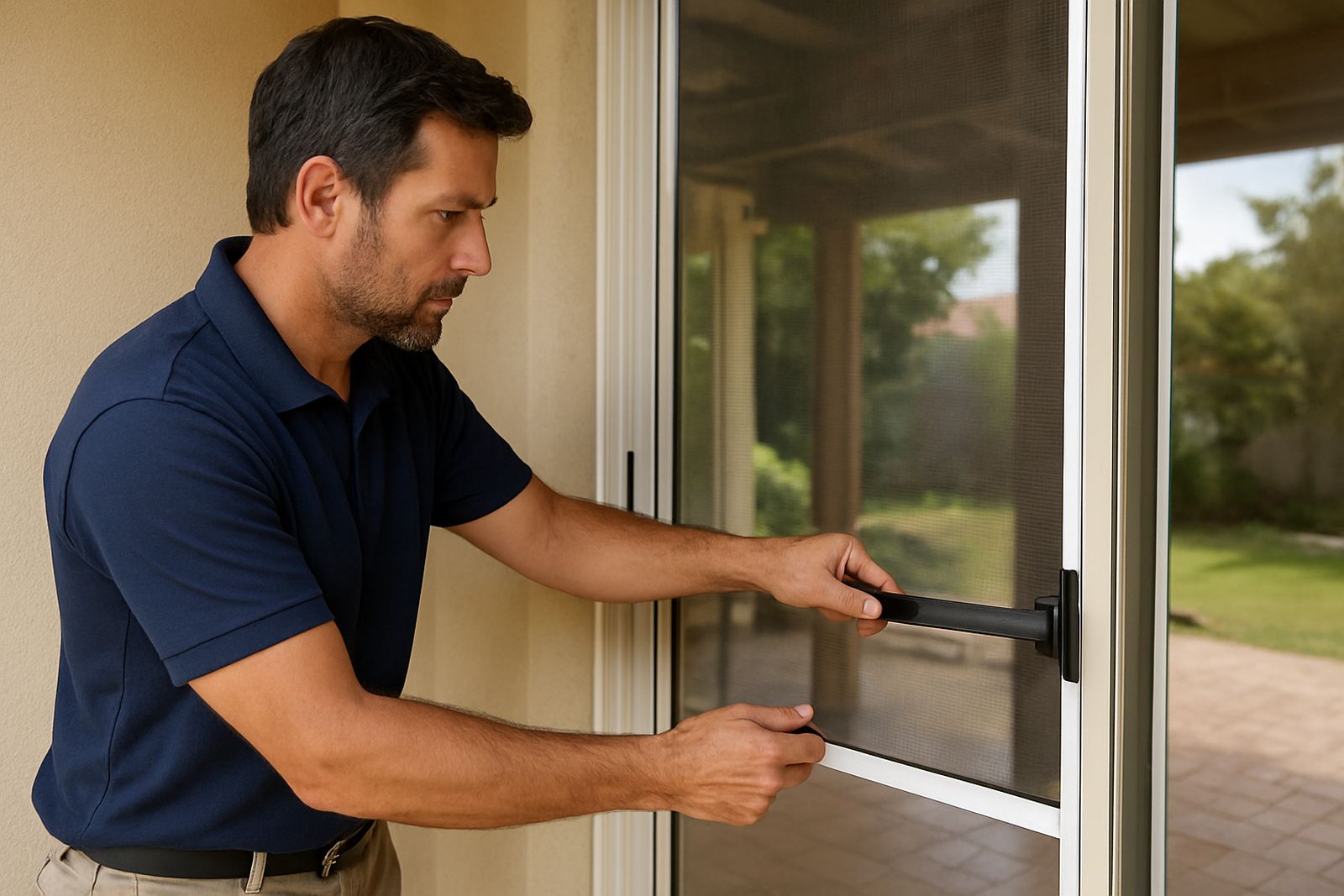
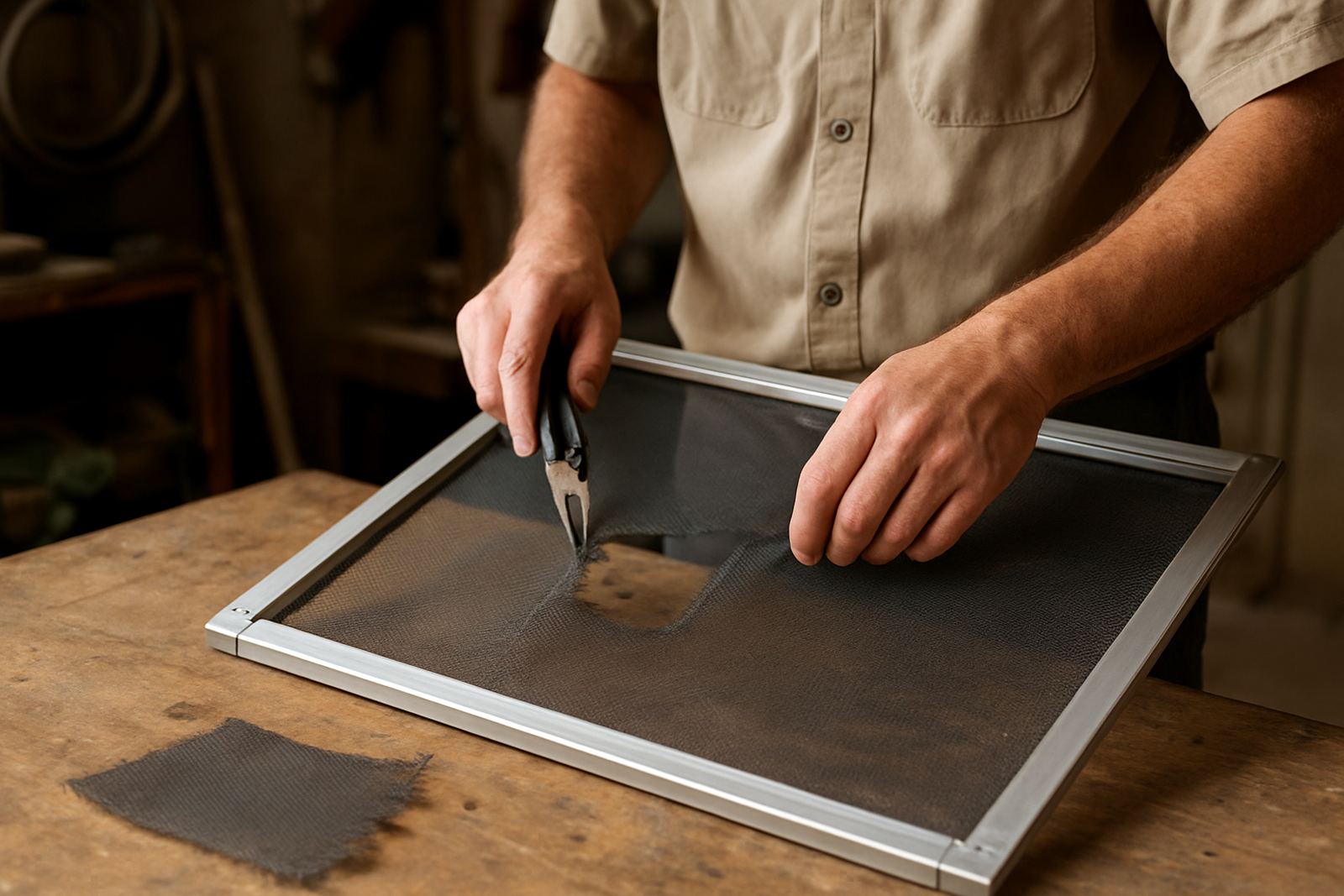
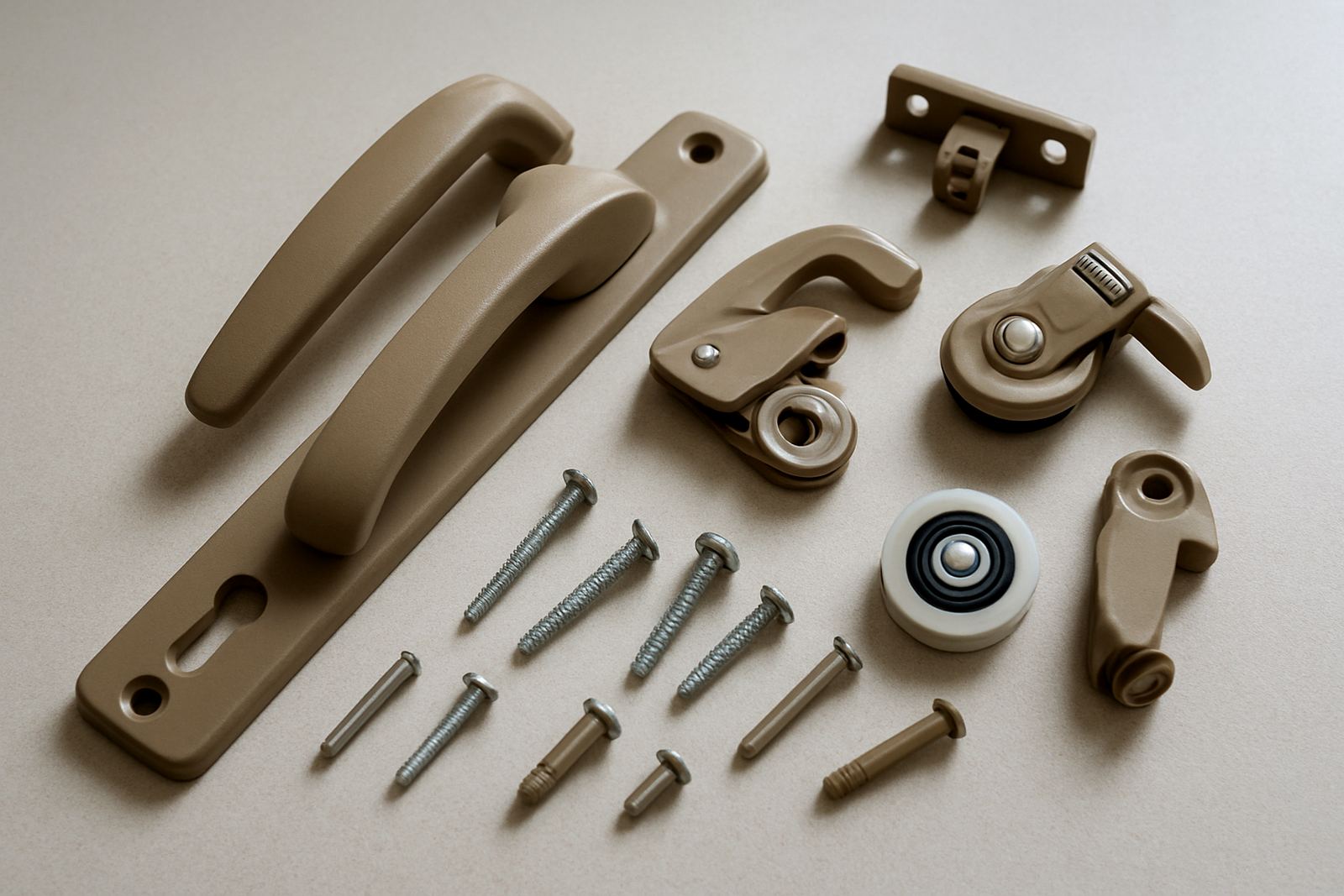
A standard installation covers the parts needed to make the screen work properly and sit neatly in the opening. Depending on the product selected, this can include custom manufacture, frame assembly, mesh fitting, hardware installation, adjustment and final clean up after the job. If the home already has screens that are worn or not sitting square, we can also replace damaged mesh or hardware during the same visit where possible.
- On site measurement and opening assessment
- Product consultation for insect, security or shading needs
- Custom manufacture to suit the exact opening size
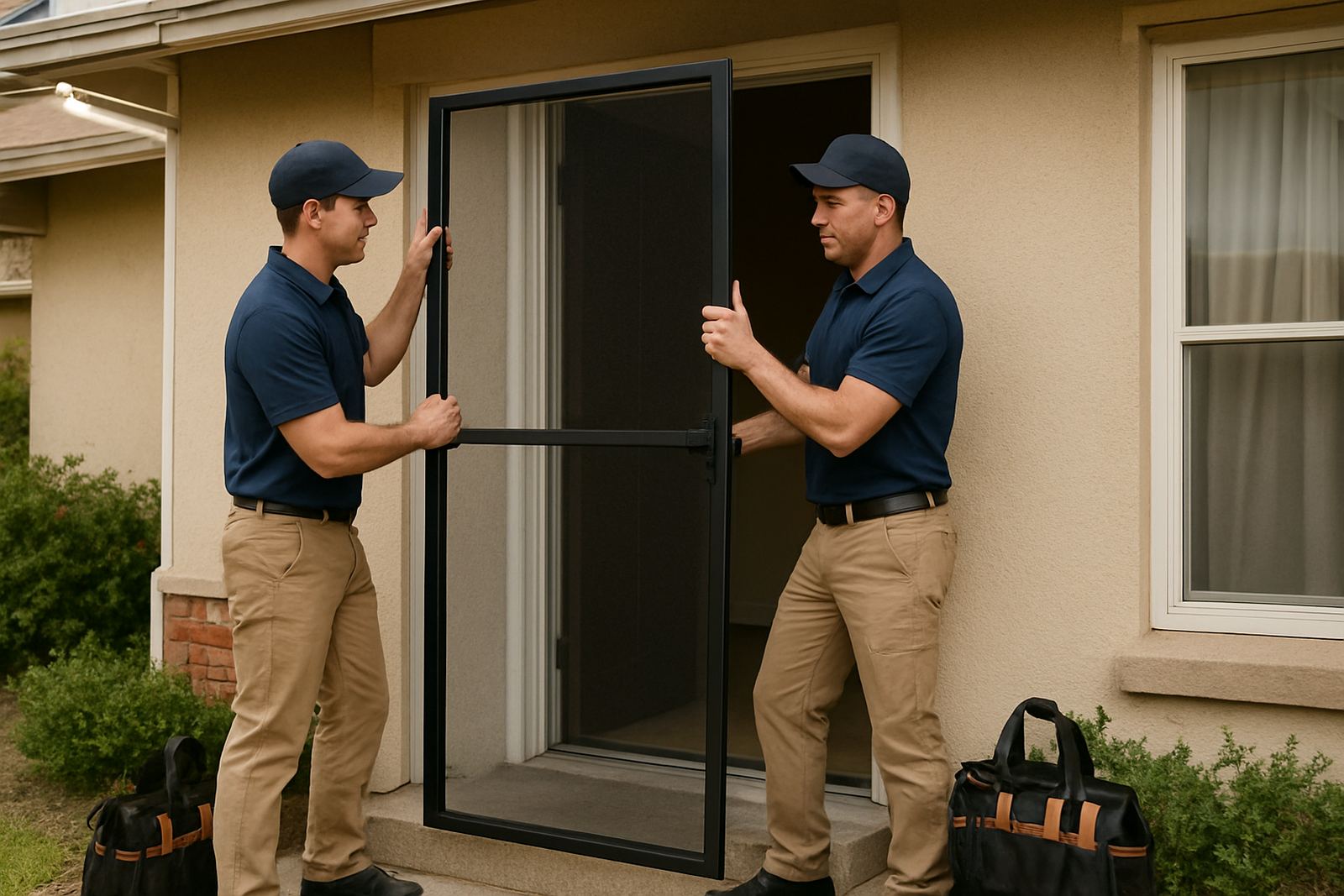
- Installation of frames, tracks, latches or rollers where required
- Final testing for smooth opening, closing and locking
We also check for practical issues that matter in real homes, such as uneven plaster reveals, awkward sill details or door handles that need extra clearance. A neat fit is important, but so is daily use. If it sticks or rattles later, it was not finished properly.
Step by step from measure to fit
The process is straightforward. First we arrange a site visit to take measurements and assess the opening type, height, width and any obstacles around the frame. Next we confirm the recommended screen style and mesh grade, then the unit is made to size. Once ready, our installation team schedules the fitting and completes the job with final checks.
- Step 1: Measure the opening and note frame condition
- Step 2: Confirm the screen type and finish
- Step 3: Manufacture to the measured sizes
- Step 4: Install, align and test the screen
- Step 5: Explain basic care and service intervals
Most home installations take place during normal working hours and are planned to keep disruption low. For homes in estates or retirement villages, we can follow access rules and booking requirements. If body corporate approval or specific site rules are needed, we make sure the measurements and product choice match those requirements before the work is booked.
Typical turnaround times and booking notes
Turnaround depends on the product selected, the number of openings and the condition of the existing frames. A single standard screen can often move from measurement to installation faster than a full home fit, while larger orders or specialised security screens need more manufacturing time. During busier periods, especially before summer when insect activity increases, it is best to book early so the installation can be slotted in without delay.
For homes in Jeffreys Bay, St Francis Bay, Uitenhage and Despatch, lead times may also depend on travel and site access, so we plan those jobs carefully. If a client needs screens before guests arrive, before school holidays, or before a retirement move, we will give a realistic schedule rather than over promise. That is the only sensible way to handle it.
Pricing that is based on openings, not guesswork
Home installation pricing is quoted according to the size, type and quantity of openings, plus the chosen product specification. A small fixed window screen is priced differently from a sliding door screen or a security screen with heavier components. This approach keeps costs clear and makes sure each item is built for the opening it has to serve.
We look at frame material, mesh type, opening size, access difficulty and whether any repair work is needed first. If a track needs cleaning, a roller needs replacement or a latch is worn, that is discussed before work begins. Homeowners get a proper quote for the job at hand, no hidden extras later and no confusion about what is included.
Care, servicing and maintenance intervals
Most home screens need only light care, but regular attention helps them last longer, especially near the coast. A quick wipe down, occasional vacuuming of tracks and a check for loose fasteners will prevent small problems from becoming expensive repairs. For security screens and sliding units, we recommend a seasonal check every 6 to 12 months depending on use and exposure.
- Rinse or wipe frames to remove dust and salt
- Keep tracks clear of sand, grit and pet hair
- Check mesh for tears after storms or rough handling
- Test locks, latches and rollers regularly
- Book service sooner if the screen starts to drag or rattle
For retirement units and family homes with frequent opening and closing, a shorter service interval is often worthwhile. Insect screens on kitchen and bedroom openings usually need less attention than patio screens, but all fittings benefit from being checked before summer and after the wetter months. A small issue picked up early is far easier to sort out than a bent frame later.
Key facts
| Service area | Gqeberha, Walmer and across the Eastern Cape |
|---|---|
| Property types | Houses, flats, cottages and retirement units |
| Measurement method | On-site measurements before manufacture |
| Typical opening sizes | Custom made from small windows to large sliding doors |
| Mesh options | Insect mesh, privacy mesh and heavier security mesh |
| Maintenance interval | Every 6 to 12 months depending on exposure and use |