Why Braai Rooms Need the Right Screen Setup
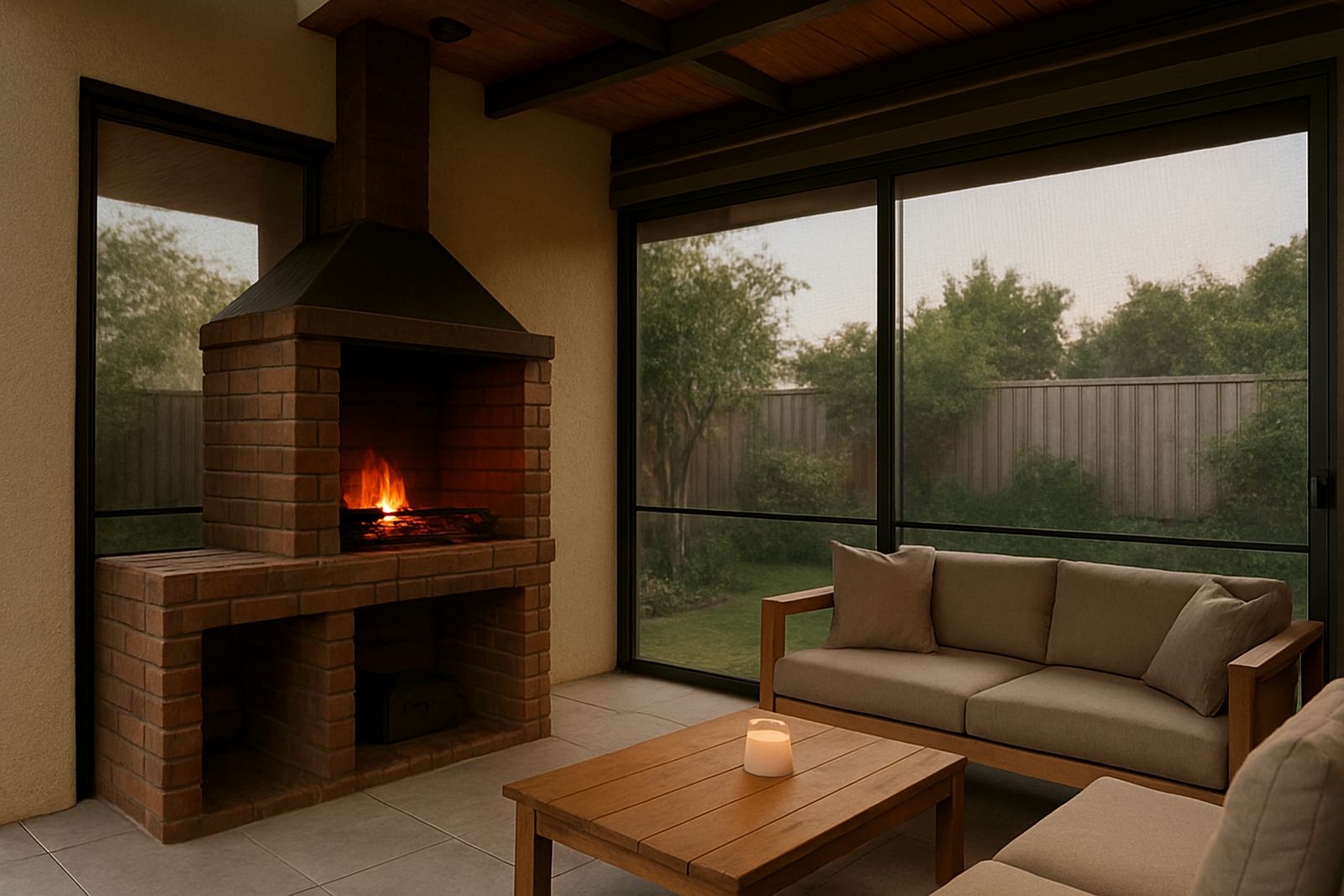
Braai rooms are often the busiest space in the house, especially in Walmer, Summerstrand and the coastal suburbs where doors stay open for fresh air. That is when insects find their way in, whether the opening leads to a stoep, garden or enclosed entertainment area. A proper screen setup helps keep the room usable without making the space feel shut off.
In Gqeberha and the wider Eastern Cape, salt in the air and changing winds can affect fittings over time. That means the screen must do more than block insects. It should suit the door style, handle frequent use, and stay easy to clean after smoke, braai dust and seasonal pollen. A good fit also matters on sliding doors, stacking doors and hinged openings where gaps are often the main problem.
Common Screen Types Used in Entertainment Spaces
Most braai rooms need one or more screen products, depending on the opening and how the room is used. The goal is to balance airflow, access and security without turning the area into a hassle. ScreenMaster works with custom sizing so the final result suits the exact opening rather than forcing a standard size into place.
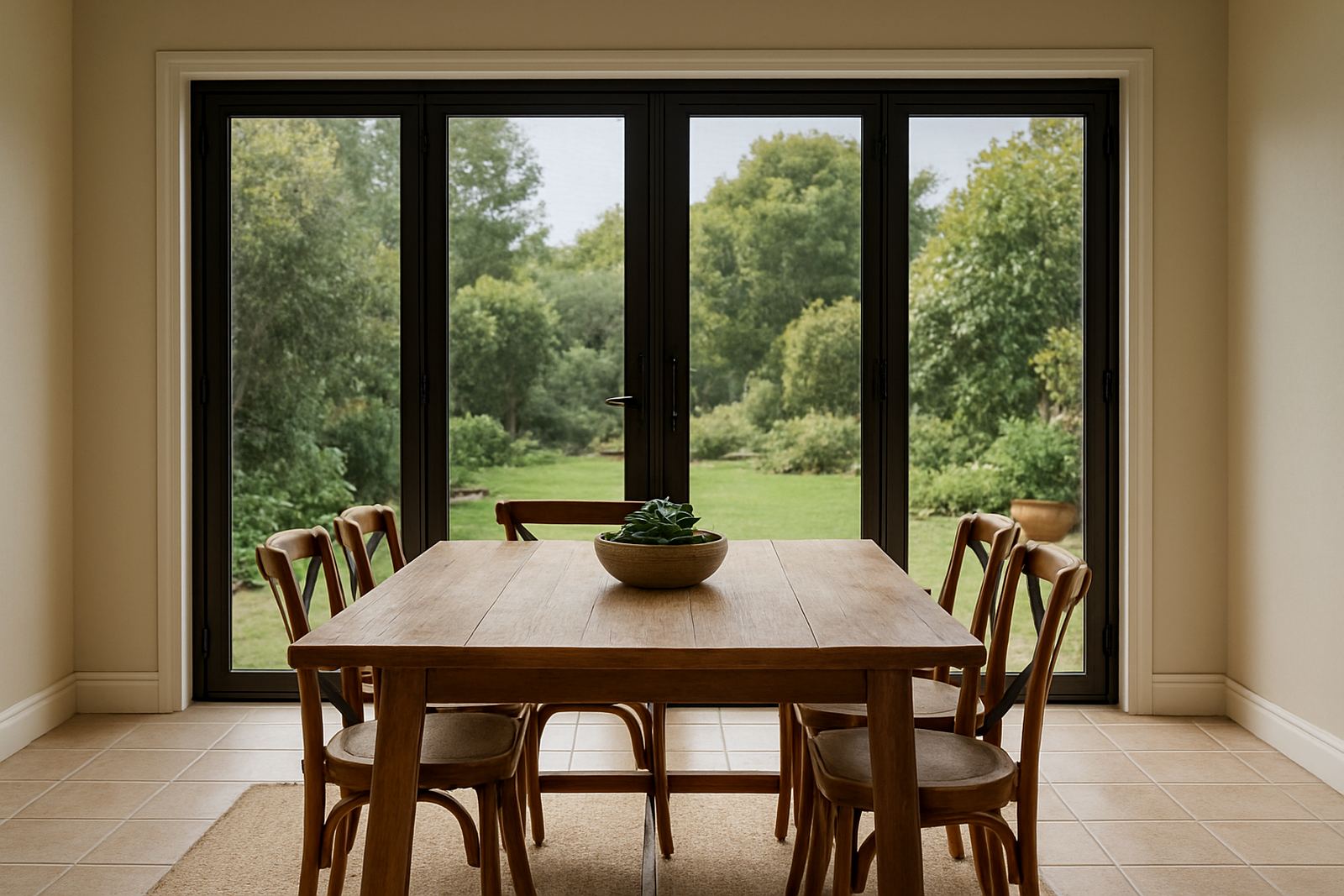
- Sliding insect screens for patio doors and large openings where you need smooth access.
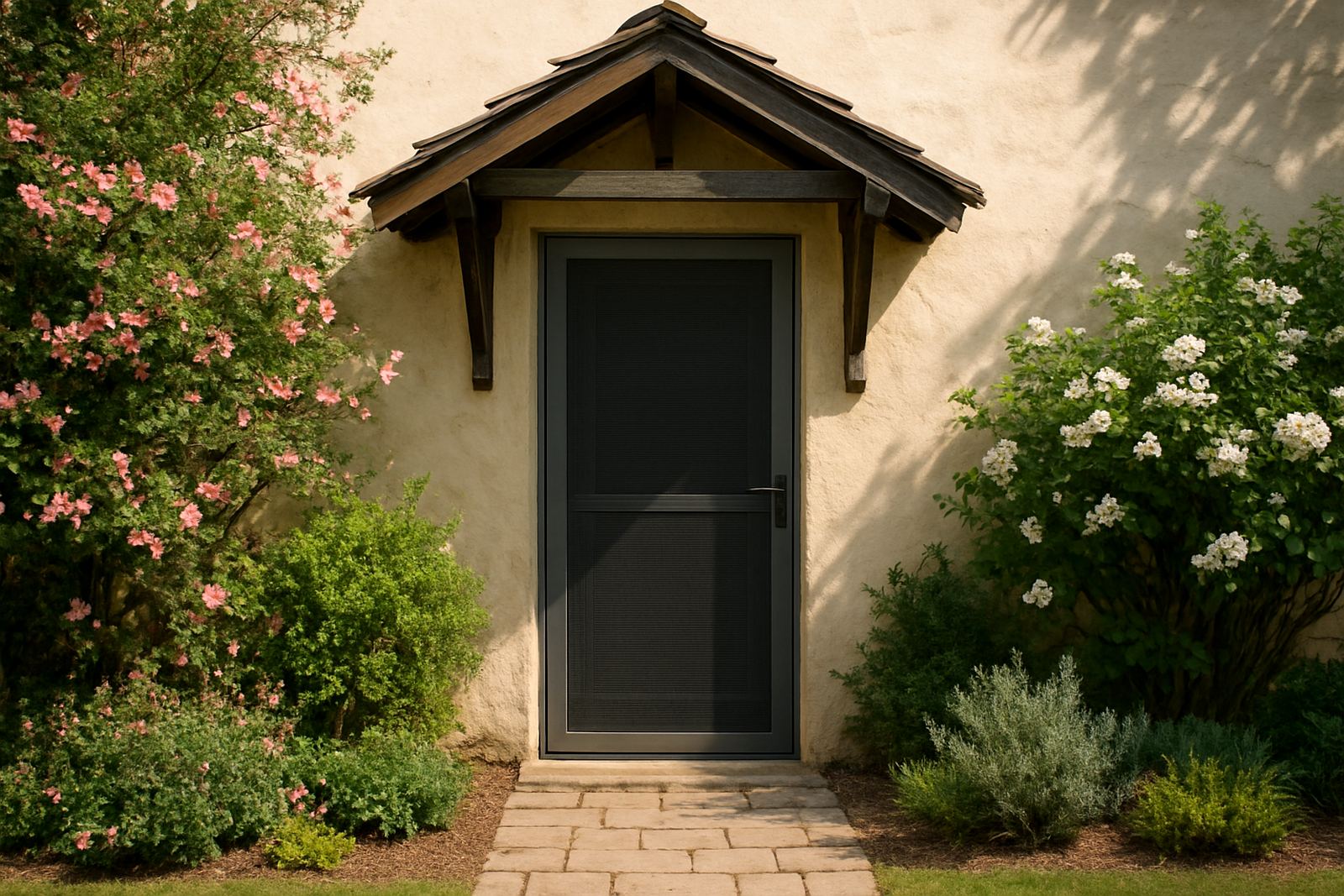
- Hinged screens for single doors or side entries leading into the braai room.
- Security screens where you want stronger protection on ground-floor rooms or busy access points.
- Mesh replacement for screens that are still in good condition but have tears, dents or loose mesh.
- Track servicing and hardware replacement for doors that stick, drag or jump the track.
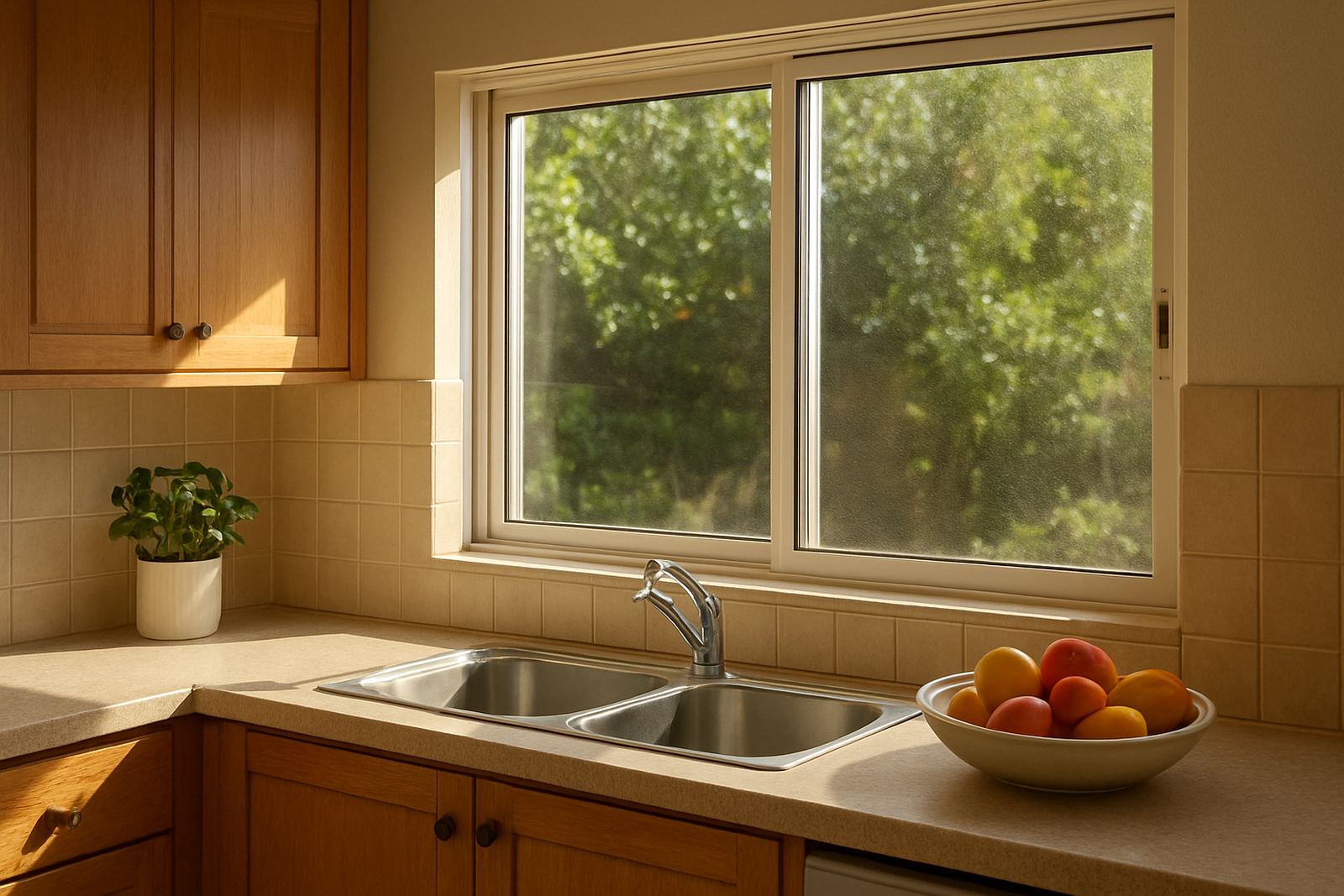
For many homes, a combination works best. For example, a wide sliding opening may need a sliding insect screen at the main access point and a fixed panel on a side window. In commercial spaces such as guest houses or clubs, tougher hardware may be needed because the screens get used far more often.
Planning the Layout Before Anything Gets Measured
Good planning saves time and avoids the usual frustration of a screen that catches on handles or leaves a gap near the floor. Before manufacture, the opening should be checked for width, height, sill depth, floor level and the position of nearby braai counters, cupboards or built-in seating. Even a small slope in the paving can matter.
We also look at how the braai room is used. If people move trays, chairs or cooler boxes through the doorway often, then the screen needs to open quickly and not block the walking line. If the room is enclosed for winter use, airflow and visibility may be more important than a heavy look. In some homes, a neat screen can be fitted without changing the way the room feels, which is usually what people want.
- Check whether the opening is square or slightly out.
- Confirm where handles, latches and locks sit.
- Allow enough clearance for curtains, blinds or shutters.
- Consider wind exposure on east and south-facing openings.
- Plan for cleaning access, especially in smoke-prone areas.
Typical Installation Issues We See in Braai Rooms
Many calls come from homes where a screen was fitted too quickly and now causes trouble. The most common issue is poor measurement, followed by hardware that was not chosen for the actual use pattern. A braai room door that opens ten times a day needs different support to a guest room window that stays shut most of the week.
Another common mistake is using the wrong mesh. A very fine mesh can reduce insect entry but may also reduce airflow too much in a warm room. Coarser mesh may breathe better, but it must still stop the bugs that are common in the area. Coastal humidity can also cause cheaper parts to wear faster, especially where steel fittings are left exposed. On some properties the frame is fine, but the rollers, catches or guides need attention and not a full replacement.
We also see screens fitted without enough allowance for the braai room floor finish. Tiles, laminate and concrete can all behave differently. If the floor is not level or if there is a threshold lip, the lower track or sweep needs to be set correctly. Otherwise the door starts scraping and everyone ends up forcing it open.
What a Braai Room Screen Package Usually Includes
A typical braai room screen package starts with site measurements and a product consultation. From there, the right screen style is selected, then manufactured to suit the opening. Installation follows once the site is ready. For larger homes or estates in areas like St Francis Bay or Jeffreys Bay, we can also plan rollouts for several doors and rooms at once.
- Site measurements and assessment of the opening
- Product consultation on screen type and mesh choice
- Custom manufacture to suit the exact opening
- Home or commercial installation
- Screen repairs, mesh replacement and hardware replacement
- Track servicing and seasonal checkups
- Aftercare support for ongoing use
If a door has already been fitted before, we can inspect whether the frame can be retained and only the worn parts replaced. That often lowers the cost and keeps the room usable with less disruption.
Budget Ranges for Braai Room Screens in Rand
Pricing depends on the opening size, the type of screen, the mesh selected and whether repairs are involved. Simple insect screen work for a single opening is quoted per job. A larger sliding braai room screen for a wide opening often lands a quoted price, depending on the finish and hardware. Ask for a quote
Security screens or heavier duty combinations usually cost more, often a quoted price for a standard opening, with larger custom jobs ranging higher. If the track needs servicing, rollers changed or mesh replaced only, the cost may stay much lower, sometimes is quoted per job depending on parts and access. Seasonal checkups and minor adjustments are usually a small spend compared with a full replacement, and they help avoid stuck doors later. Ask for a quote
For commercial braai areas, club rooms or hospitality spaces, budgeting should allow for more wear and tear. In those cases, it makes sense to plan for strong hardware and easier maintenance rather than choosing the cheapest option. A screen that lasts through heavy use saves money over time, even if the first price is a bit higher.
Serving Gqeberha Homes, Estates and Coastal Properties
ScreenMaster is based in Walmer, Gqeberha and works across the Eastern Cape, including Newton Park, Despatch, Uitenhage, Summerstrand, Jeffreys Bay and St Francis Bay. That local reach matters because braai rooms in coastal areas face different conditions to inland properties. Salt air, strong wind and changing humidity can all affect the hardware and the way a screen sits in the frame.
We work with homeowners, landlords, estate managers and business owners who want their entertainment spaces to stay pleasant and practical. Whether the job is one braai room screen or a full estate rollout, the aim is the same: keep insects out, keep access convenient, and make sure the result fits the space properly. The right screen should feel like part of the room, not something added as an after thought.