Which screen type suits my opening best?
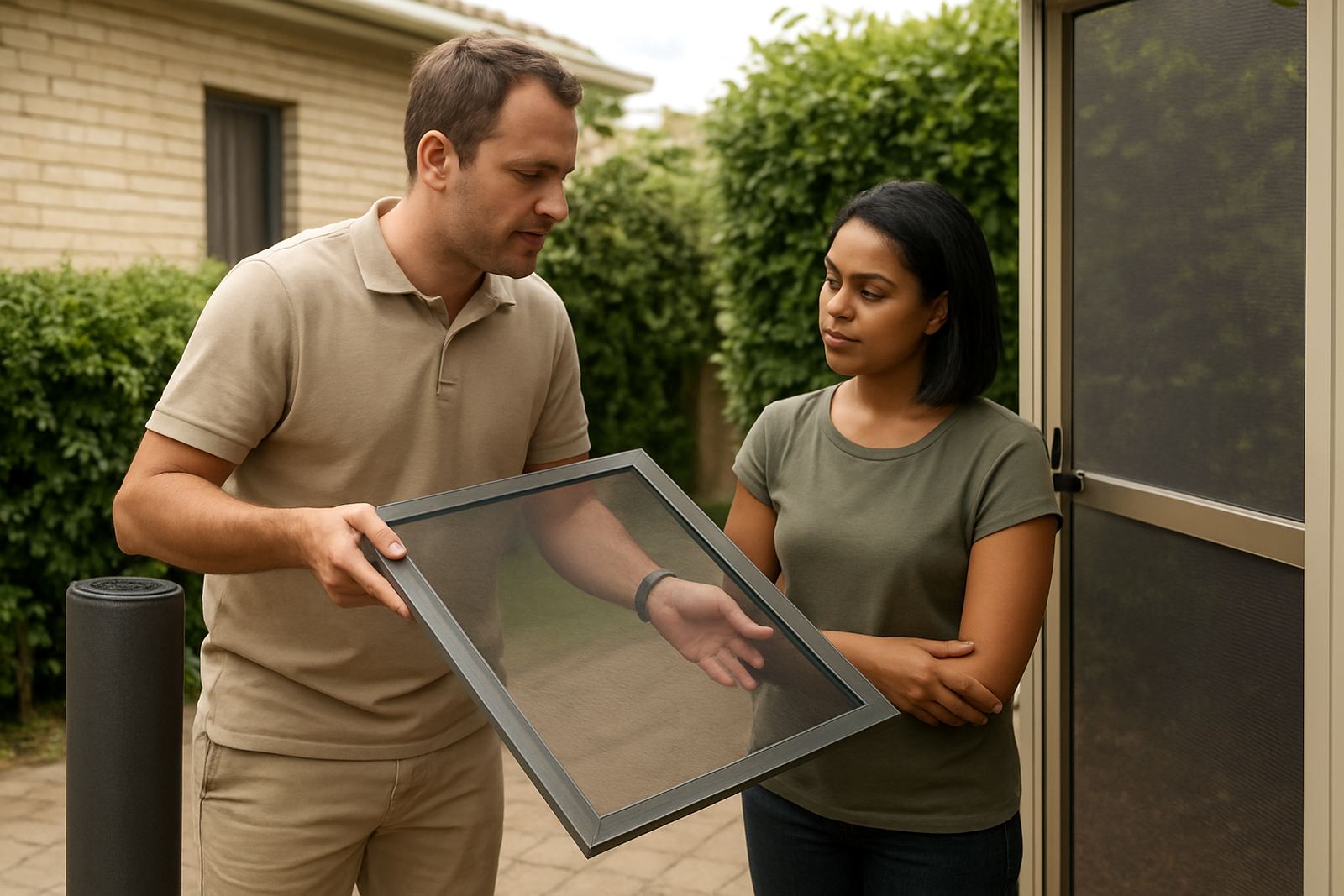
The right choice depends on what you want the screen to do. Insect screens are the usual option for windows and doors where airflow matters. Security screens are chosen where you want added resistance and a cleaner look than bars. Shading products help reduce glare and heat on patios, windows and selected commercial openings. In Walmer, Summerstrand and other coastal areas, we often recommend materials that stand up better to salt air and day to day wear.
If you are unsure, start with the opening itself. Measure the type of frame, note whether it is hinged, sliding or fixed, and check how often it is used. A guest room window does not need the same setup as a busy kitchen door or shop entrance. That small difference can save time later and it keeps the screen working as intended.
- Insect screens suit airflow and basic bug control.
- Security screens suit doors, windows and higher-risk access points.
- Shading helps with sun, glare and heat on selected openings.
- Sliding, hinged and fixed frames each need a different approach.
How should I measure before booking a site visit?
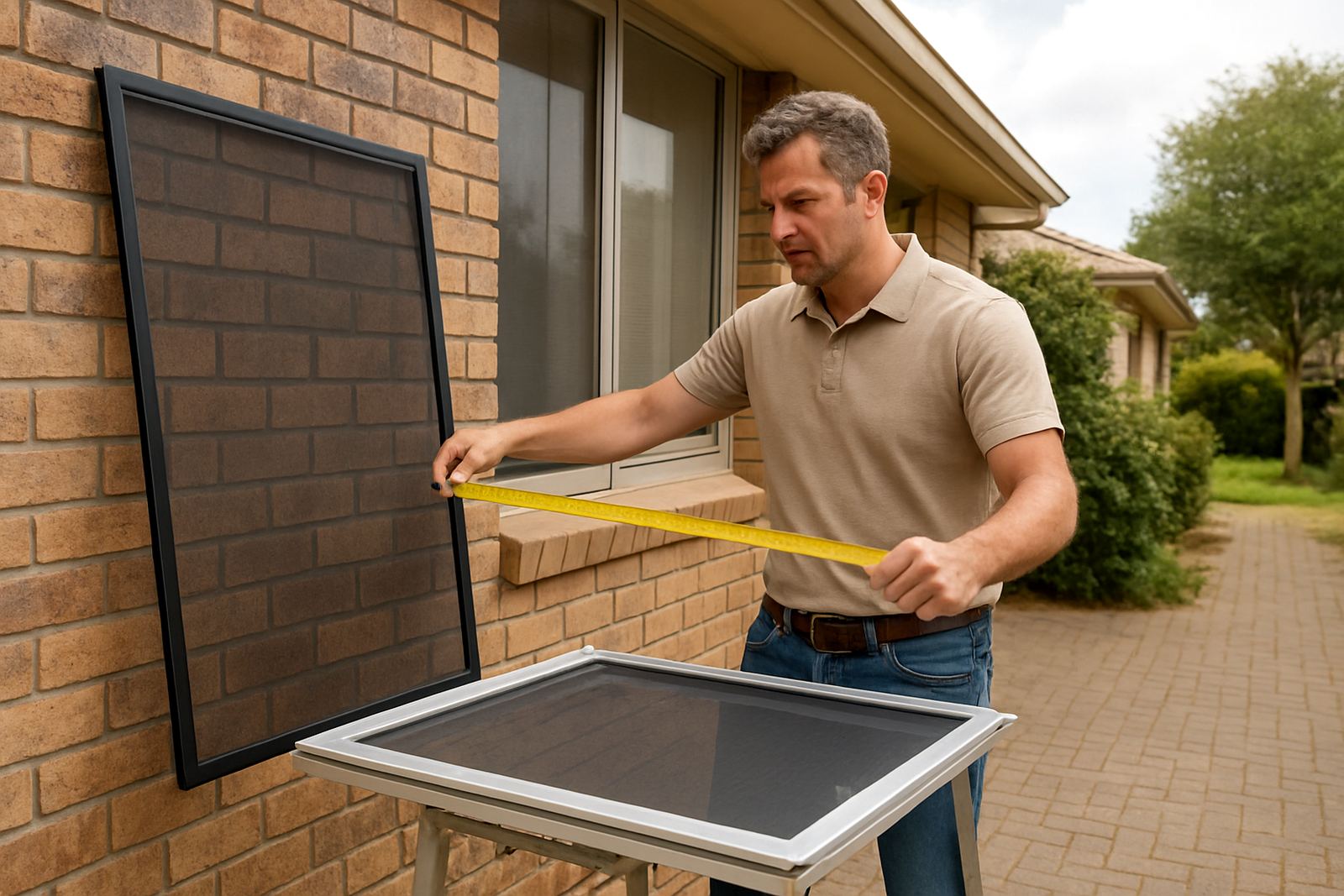
You can do a rough check yourself, but final measurements are taken on site for custom manufacture. Use a steel tape measure and record width first, then height. Measure the clear opening in millimetres and note if there are tiles, burglar bars, handles or uneven plaster that may affect the fit. If you live in an older home in Newton Park or Despatch, take extra care because frames are not always square.
For a first estimate, send the opening size, a photo, and a short note about how the window or door opens. If there are several openings in one room, list each one separately. That helps us plan the visit properly and avoids repeat trips. It also makes it easier to compare options before work starts.
- Measure width at the top, middle and bottom.
- Measure height on the left, centre and right.
- Check for handles, locks, bars and obstructions.
- Note the suburb and access details for the installer.
What happens after I send an enquiry?
Once your enquiry comes through, the team reviews the opening type, location and the product you need. If a site visit is required, a time is arranged for measurements and a product consultation. At that stage we confirm the best frame style, mesh type or shading choice for the property. For estate rollouts and commercial jobs, the process may also include a schedule for multiple units so the work runs in a proper order.
After measurements are confirmed, the item is custom made and then booked for installation or collection where applicable. Lead times vary with product type, size and the number of units, so it is best to allow a bit of flexibility, especially before holiday periods and public holidays. If changes are needed after the order is confirmed, tell us early. It is much easier to adjust before manufacture than after, simple as that.
- Enquiry received and reviewed.
- Site visit scheduled if needed.
- Measurements and product choice confirmed.
- Custom manufacture and installation booked.
How long do lead times usually take?
Lead times depend on the product, the quantity and the type of finish required. A single standard opening can move faster than a full home or business fit-out. Special colours, security applications and larger commercial orders can take longer because each item is made to fit the opening exactly. In areas like Jeffreys Bay and St Francis Bay, weather and travel can also influence the booking date, especially if there is a cluster of properties to complete.
If you need work done before peak insect season or before guests arrive, book early. That gives enough time for measurements, manufacture and installation without rushing the job. For homes near the coast, we also suggest checking fixings and moving parts on a regular basis because wind, moisture and salt can wear hardware faster than many people expect.
- Single openings are usually quicker than large projects.
- Custom colours or security products may add time.
- Estate and commercial work is scheduled in batches where possible.
- Book ahead for holiday periods and busy seasons.
What upkeep do screens need in coastal areas?
Regular upkeep keeps screens moving freely and helps them last longer in Gqeberha, Walmer and other coastal spots. Rinse frames lightly to remove dust and salt, then wipe them dry. Avoid harsh cleaners and abrasive pads because they can damage the finish or scratch mesh. If a screen is sliding badly, do not force it. Dirt in the track or worn hardware is often the cause, and forcing it can make the problem worse.
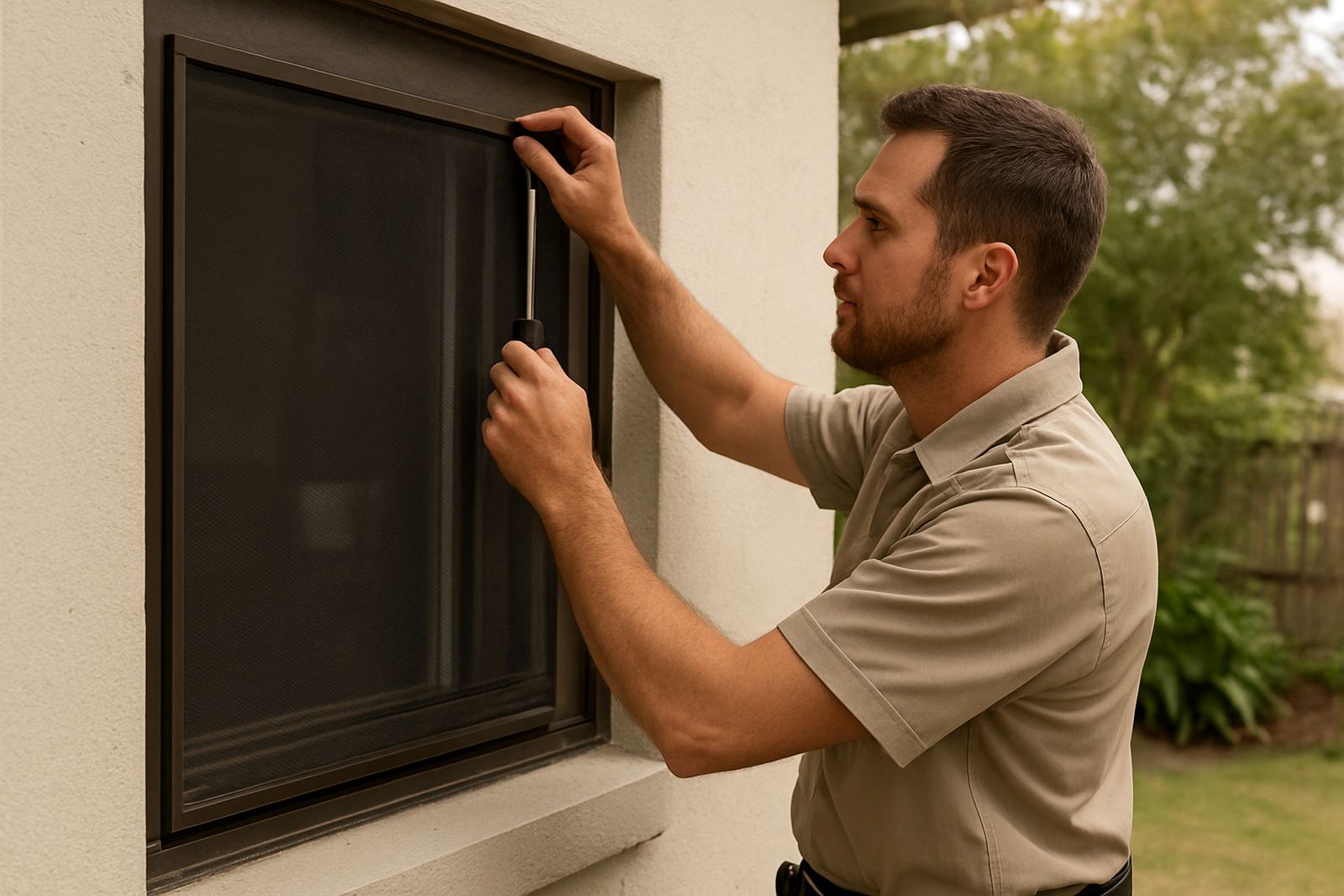
A seasonal checkup is worthwhile before summer and after heavy wind. Look for loose fittings, torn mesh, bent corners, sticking rollers and worn seals. If you notice damage, ask for repairs sooner rather than later. A small tear can become a bigger repair if insects start getting through or the frame gets knocked out of line.
- Rinse off dust and salt, then dry the frame.
- Keep tracks clear of sand and leaves.
- Check hinges, rollers and catches every few months.
- Repair tears and loose parts early.
Can damaged screens be repaired or upgraded?
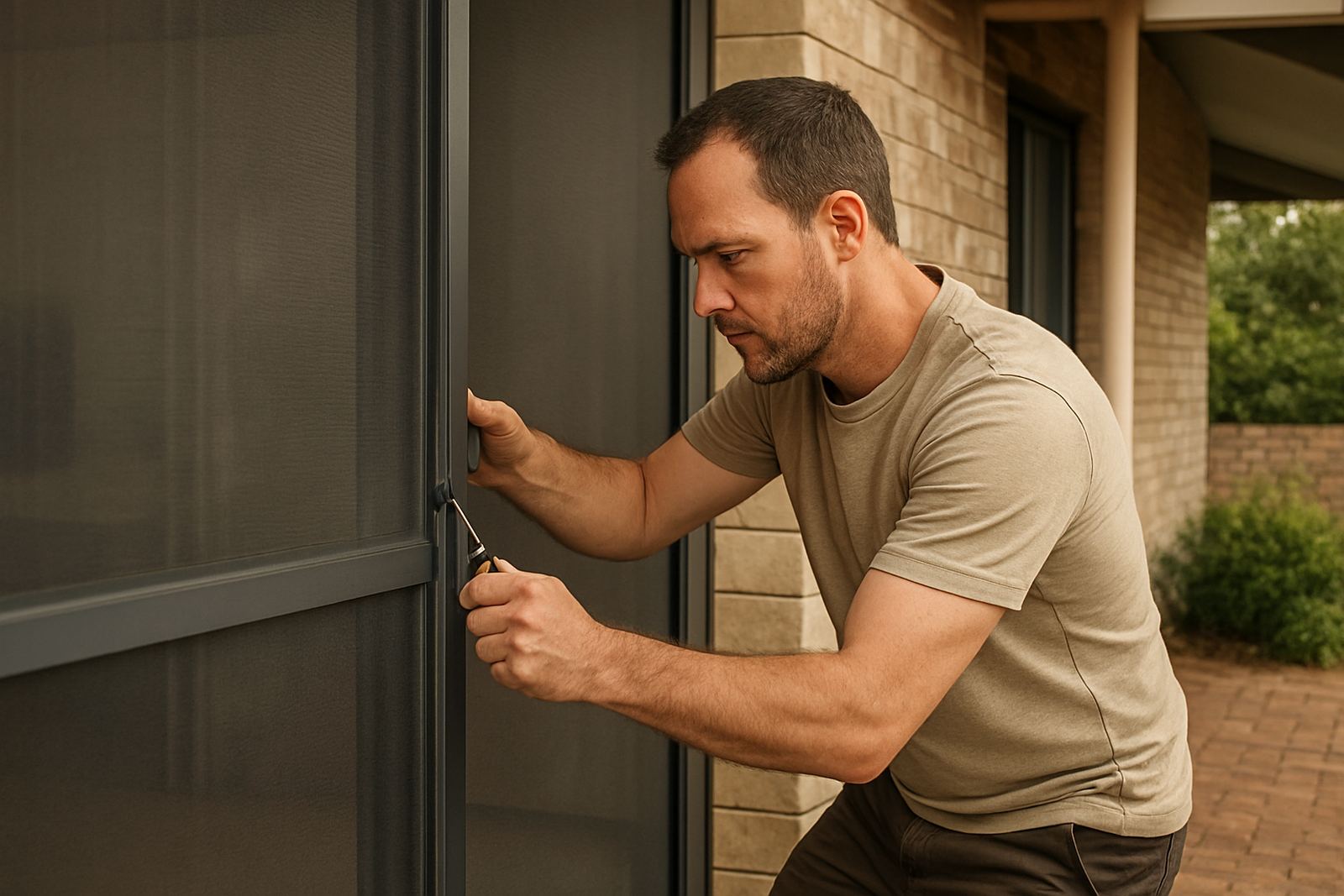
Yes, many screens can be repaired instead of replaced. Common work includes mesh replacement, track servicing, hardware replacement and general aftercare support. If the frame is still sound, repairs are often the sensible option and it can save money. For homes with older fittings, a service visit can also show whether the screen needs a small adjustment or a full refresh. That is often all it takes.
If you have a screen that sticks, rattles, or no longer closes properly, send a description through the enquiry form and include the suburb and opening type. A service technician can then work out what is needed. For businesses and estates, planned maintenance is useful because it keeps multiple openings in order and reduces call-backs later.
- Mesh can often be replaced without changing the whole frame.
- Tracks and rollers can be serviced where movement is stiff.
- Worn catches, handles and fixings can be swapped out.
- Regular checks help prevent larger repairs later on.