What an estate rollout covers
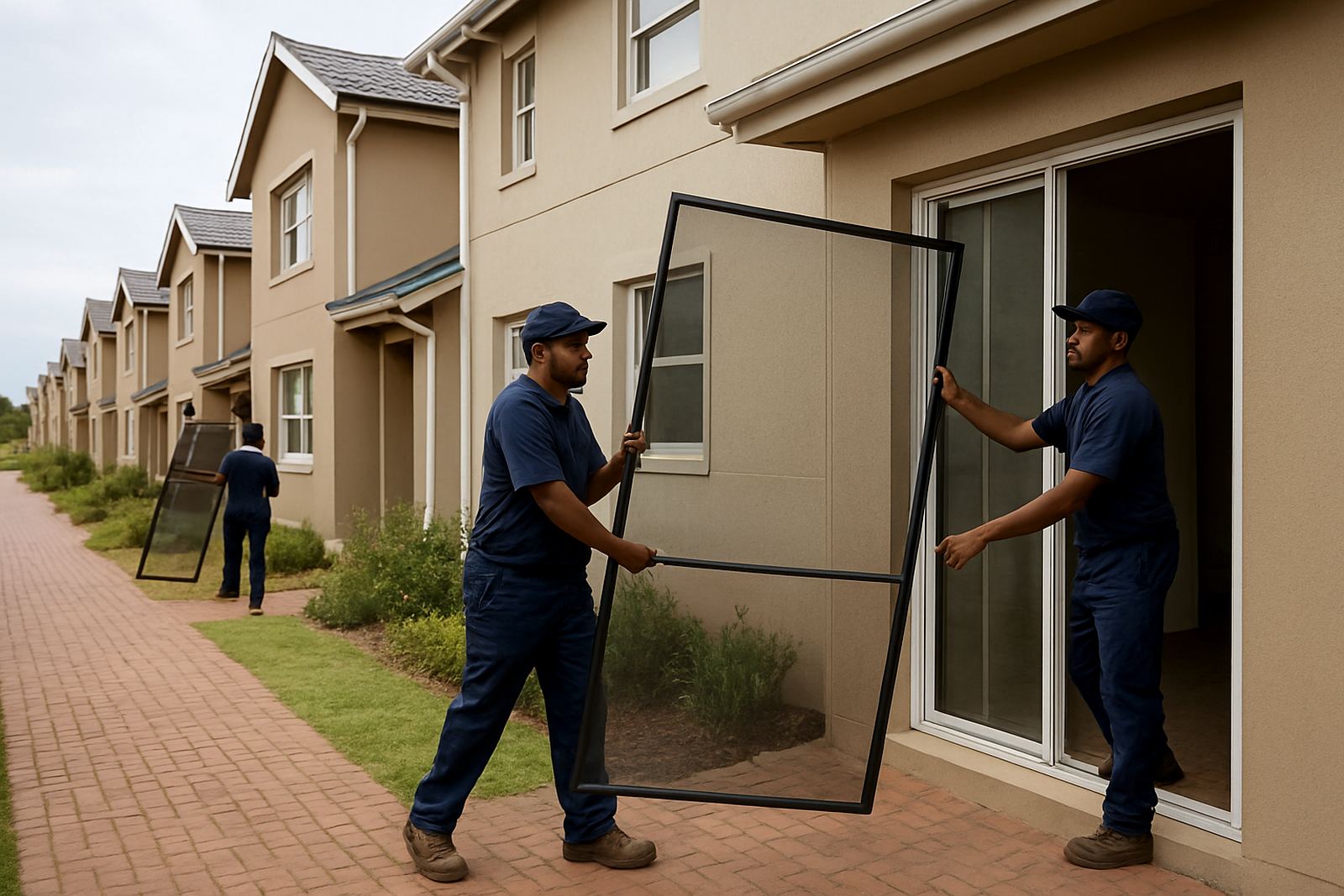
An estate rollout is a planned screen installation programme for multiple homes at once. It suits townhouse complexes, security estates, retirement villages and grouped residential developments where every unit needs the same standard of fit, finish and security. We work from Walmer in Gqeberha and regularly install in Summerstrand, Newton Park, Uitenhage, Despatch, Jeffreys Bay and St Francis Bay, with larger projects throughout the Eastern Cape.
The service can include insect screens for windows and doors, security screens for vulnerable openings and shading solutions for rooms that take strong afternoon sun. Each opening is measured individually, because even in the same complex you will find slightly different brickwork, tolerances and window sizes. That is the difference between a screen that looks neat and one that rattles, binds or leaves gaps.
For estate managers, the value is simple: one point of contact, a fixed sequence of work and less disruption for residents. We coordinate access with residents or the body corporate, label each unit clearly and keep the install team moving in a practical order. It keeps common areas cleaner and cuts down on repeat call-backs.
Products and specs we commonly fit
Estate work often needs a mix of screen types. Insect screens are usually fitted to opening windows, sliding doors and patio access points where airflow matters. Security screens are used on doors and lower-level windows where added physical resistance is required. In coastal areas like Gqeberha, Walmer and Jeffreys Bay, corrosion resistance matters, so we select components that suit salt air and regular cleaning.
- Frame profiles sized for neat recess or face fit installations
- Mesh options for insect control, privacy, sun reduction or added security
- Powder-coated finishes for a cleaner look and better weather resistance
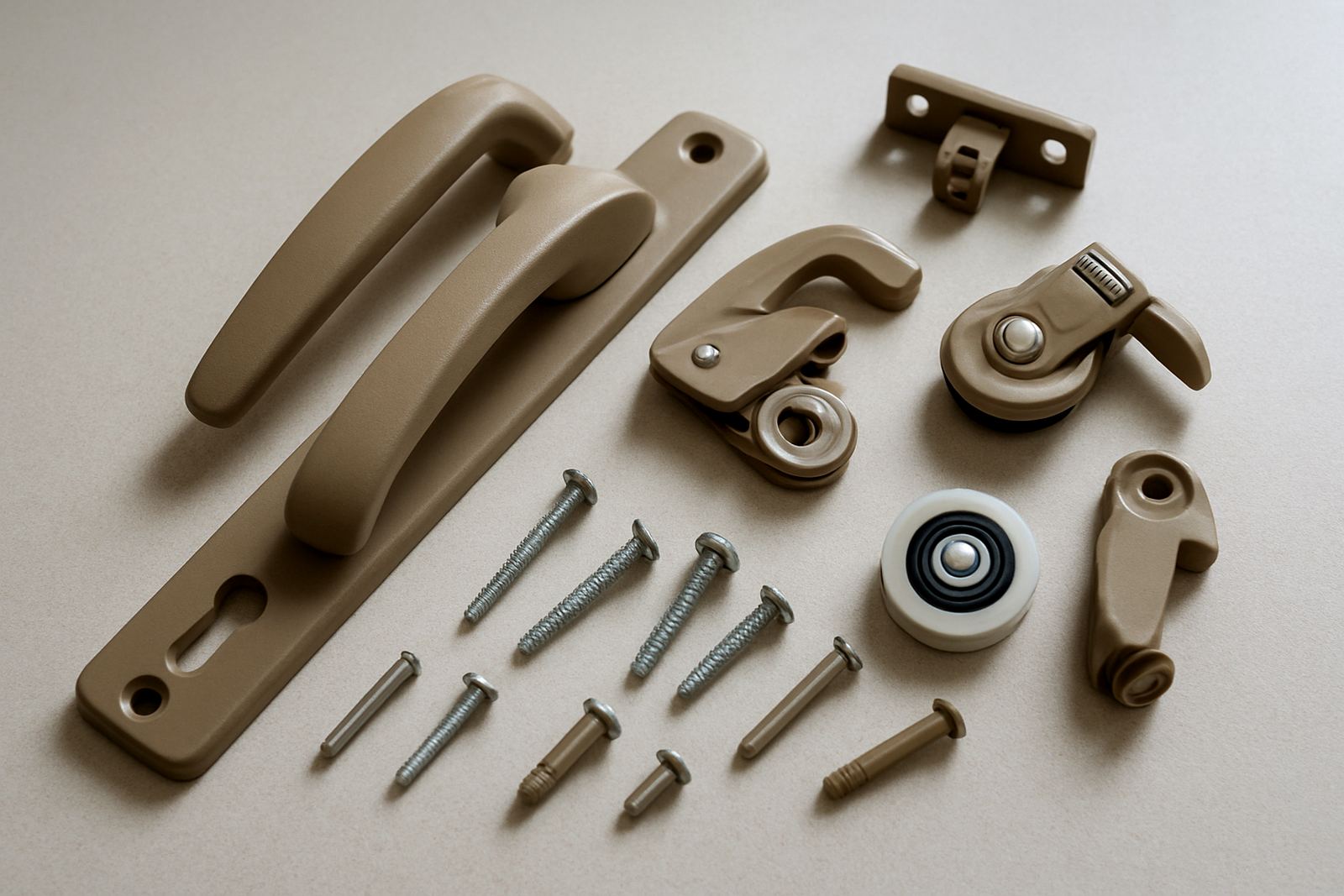
- Stainless or corrosion resistant hardware where coastal exposure is a factor
- Sliding, hinged and fixed configurations depending on the opening
- Custom colours to match estate windows, doors and trims
For projects with high use, we often recommend heavier duty tracks, stronger rollers and replaceable wear parts so the screens keep operating properly over time. On ground-floor units, we can also add lock points or reinforced frames where the risk profile calls for it. If the complex has children, pets or a lot of visitors, we can adjust the mesh type and latch arrangement to suit daily use.
How we run a rollout from first visit to final sign-off
We start with a site walk and a measurement plan. This shows us how many units are involved, which openings need screening, and whether there are access constraints such as parking limits, shift workers or estate rules about work hours. Once the scope is confirmed, we prepare a unit-by-unit schedule so residents know when to expect us.
- Initial consultation with the trustee, agent or project contact
- Site measurements and opening-by-opening assessment
- Product recommendation and final scope confirmation
- Custom manufacture to the agreed sizes and finishes
- Staged installation with unit labels and access control
- Handover, resident guidance and aftercare support
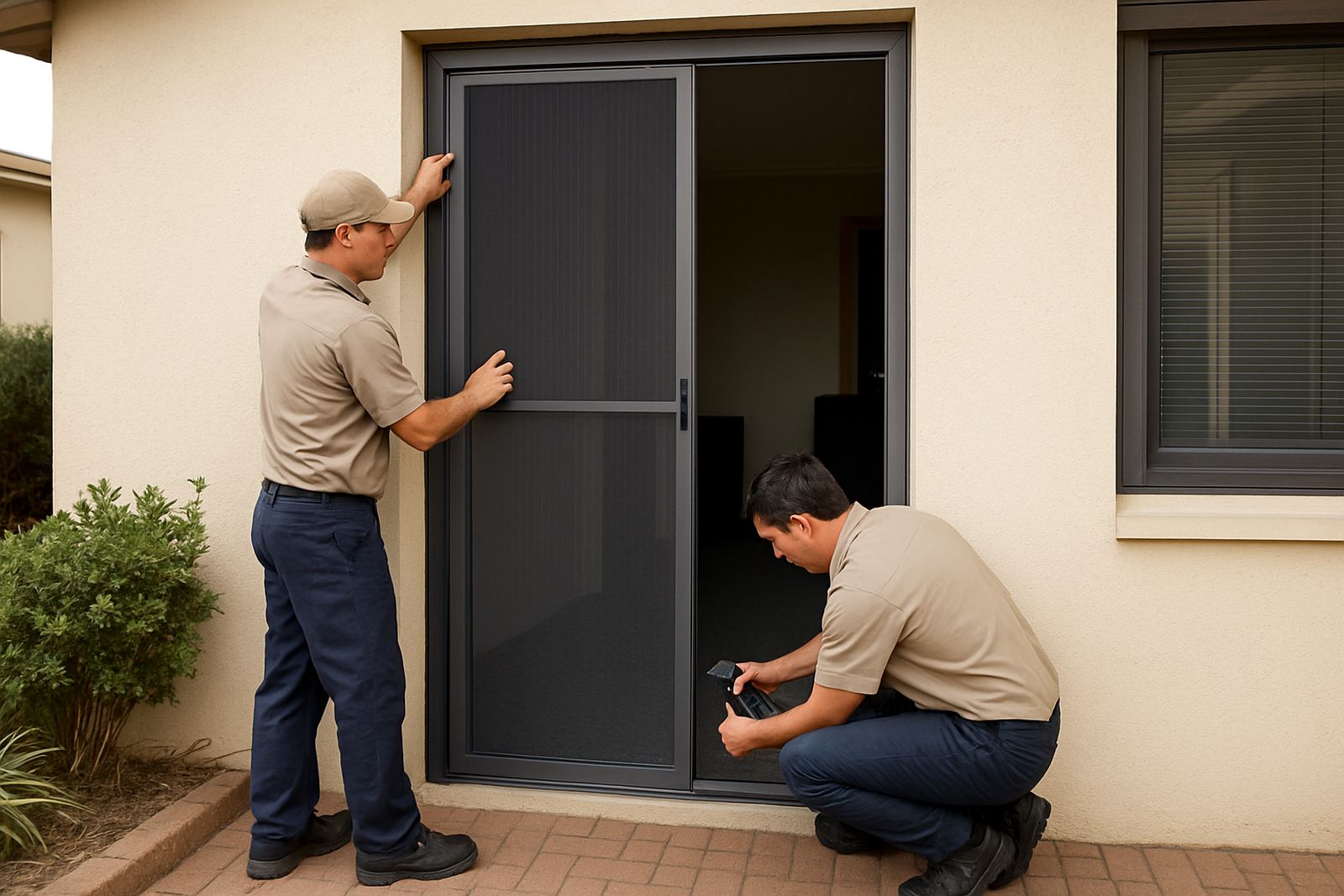
On install day, our team works in a set sequence to reduce downtime for residents. We protect work areas, check alignment before fixing and test every screen before we leave a unit. If a window frame is slightly out of square or a door has settled, we deal with that on site where possible so the result is clean and usable. We also keep the project lead updated through the process, which helps when there are a few owners still waiting for their slots.
Turnaround times and scheduling for occupied estates
Turnaround depends on the number of units, the product mix and how quickly the estate can give access. Smaller rollouts can move quickly once measurements are complete, while larger complexes need a staged programme that allows for manufacture, install and resident availability. Because every screen is custom made, we do not use off-the-shelf sizing that forces a poor fit.
For occupied estates, we aim to keep disruption low. That means early notice, agreed access windows and clear unit lists. If the complex has noise restrictions, loading rules or municipal access limitations, we work around them as far as possible. In areas with load-shedding, we plan our on-site work so we are not dependent on power for basic installation steps, and we keep the schedule realistic if power tools or access control systems are affected.
Weather can also influence the programme. Coastal humidity, wind and rain can slow some external work, especially on exposed upper floors or open balconies. We build that into the schedule rather than rushing a poor install. If the rollout covers more than one suburb or town, we can sequence sites in a way that reduces travel time and keeps the project moving steadily.
Pricing approach for body corporate and group projects
Estate rollout pricing is based on measured quantities, product type, hardware specification and installation complexity. A simple insect screen programme for ground-floor units will price differently from a mixed project that includes security screens, shaded patio openings and repairs to existing fittings. We price transparently by opening, so trustees and managing agents can see exactly where the costs sit.
We can work from a site schedule, an approved list of units, or a phased budget if the estate wants to fit screens over more than one financial period. For larger developments, it is often useful to quote in sections, for example ground-floor windows first, then patio doors and later communal-facing openings. That approach helps with cash flow and makes sign-off easier at committee level.
- Measured pricing per opening, not rough estimates
- Separate line items for manufacture, installation and repairs
- Optional maintenance allowance for wear parts and servicing
- Phased rollouts available for larger estates
We do not pad the scope with unnecessary extras. If a unit only needs mesh replacement or track servicing, we quote that on its own. If the estate wants all hardware standardised, we can include that too. The aim is a fair quote that reflects the real condition of the units and the level of finish required.
Maintenance intervals and aftercare for shared complexes
In a shared residential setting, screens get more use than most homeowners expect. Doors are opened and shut many times a day, windows are cleaned more often, and residents may be less gentle with handles and latches. For that reason, we recommend a basic inspection every 12 months, with coastal estates or high-traffic units sometimes needing a six to nine month checkup.
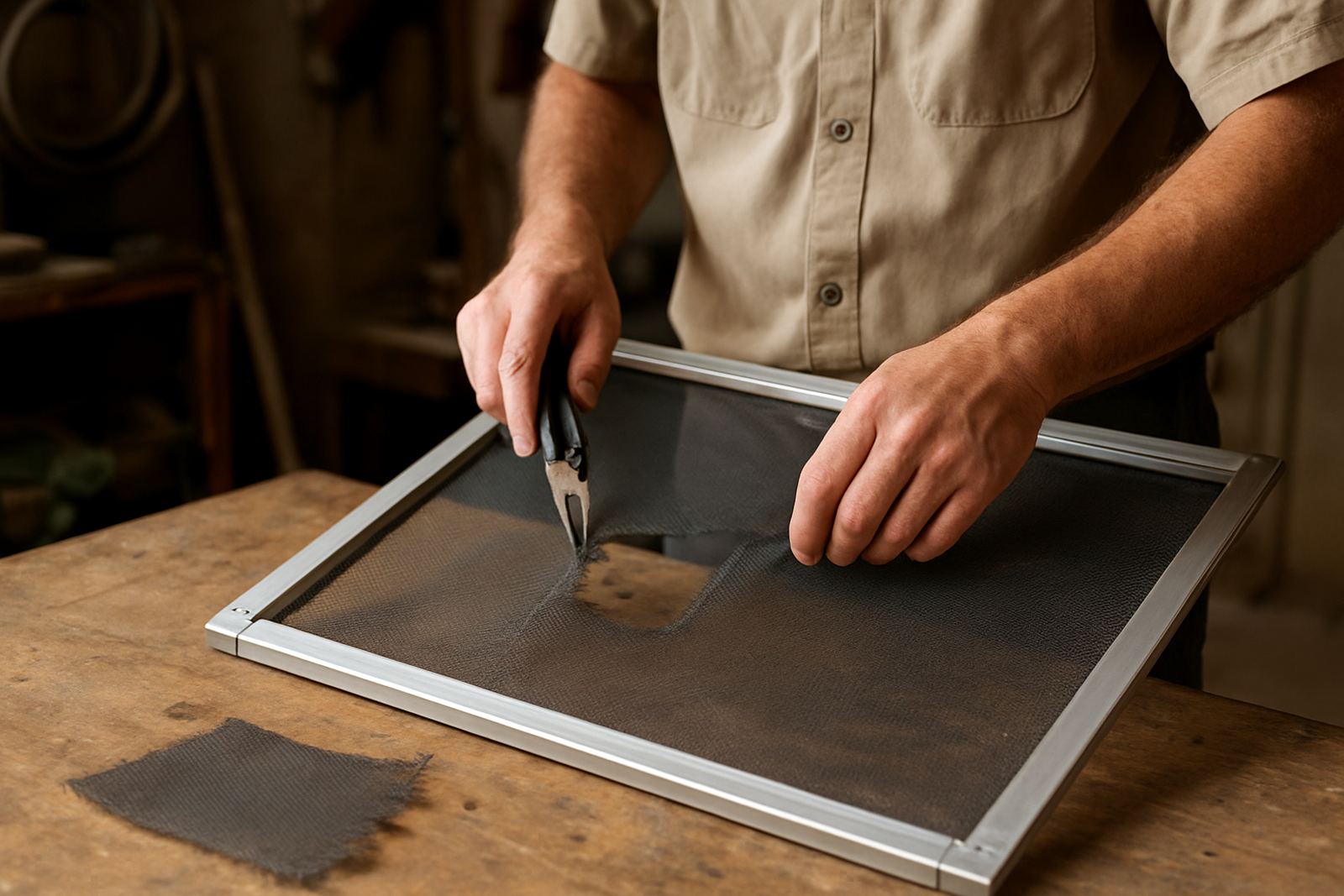
Typical maintenance includes checking rollers, hinges, latches, fasteners, mesh tension and frame alignment. Where needed, we can replace worn mesh, service tracks, replace damaged hardware and reset screens that have shifted. This is especially useful after summer winds, winter rain or a burst of heavy resident traffic over holiday periods. A small service visit now can prevent a bigger repair later.
- Annual checks for most inland or low-traffic estates
- Six to nine month checks for coastal or high-use complexes
- Immediate attention after storm damage or forced entry attempts
- Mesh and hardware replacement as parts wear over time
We also give practical guidance to residents and caretakers on cleaning methods, door handling and what to watch for between services. Simple habits, like rinsing salt build-up from coastal screens and keeping tracks free of grit, make a real difference to lifespan. If the estate wants one maintenance cycle for the whole complex, we can align it with the body corporate calendar and handle the roll call unit by unit.
Coordinated Screen Installations For Estates
When screens are fitted unit by unit without coordination, the result can be uneven finishes, mixed hardware and avoidable follow-up calls. A managed estate rollout gives the development a consistent look and a clear standard for future maintenance. It also makes life easier for residents, because they know when we will be on site and what will happen in their unit.
For trustees and managing agents, the main benefit is control. You get one measured scope, one install sequence and one support line for repairs or later additions. For residents, the benefit is comfort, better airflow and improved peace of mind without having to chase different contractors. In busy suburbs such as Walmer, Summerstrand and Newton Park, that matters because access, parking and timing all need to be handled properly.
Our team understands the realities of working in lived-in homes, shared driveways and estates with specific rules. We plan carefully, measure properly and leave each opening working as it should. That is what a good rollout should do.
Key facts
| Service area | Walmer, Gqeberha and across the Eastern Cape |
|---|---|
| Project type | Townhouse complexes, sectional title estates and grouped residential developments |
| Screen options | Insect screens, security screens and shading solutions |
| Measurement method | Unit-by-unit site measurements and opening checks |
| Typical maintenance interval | 12 months, or 6 to 9 months in coastal or high-use complexes |
| Pricing basis | Measured per opening with separate install and service line items |