School Block Brief in Uitenhage
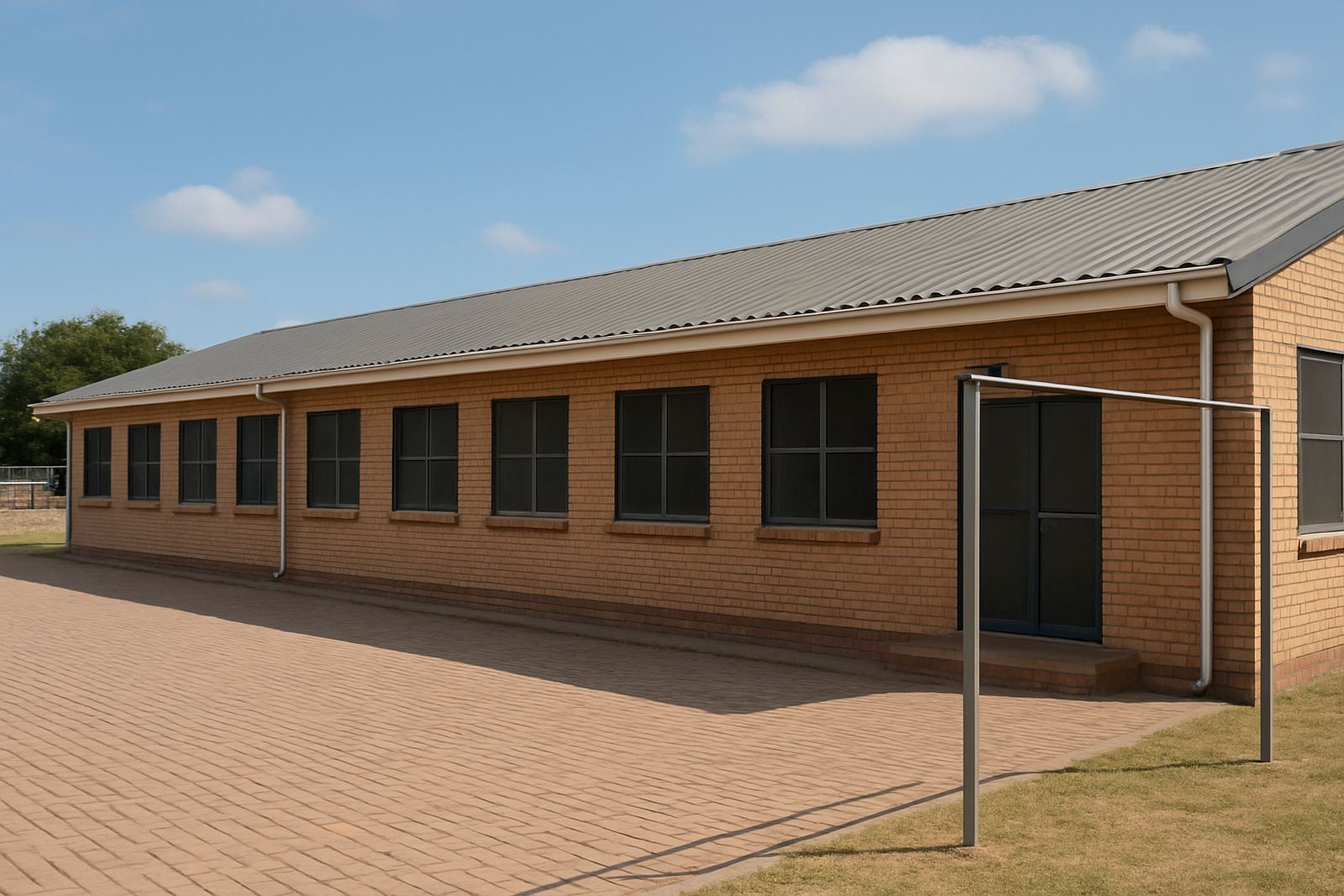
The brief came from a school block in Uitenhage that was dealing with warm classrooms, strong afternoon sun and a steady problem with insects coming in when windows were opened. The staff wanted a practical fix that would support cross ventilation, stand up to repeated use and not become a problem during term time. It had to look tidy too, because the spaces are used every day by learners and teachers.
In the Eastern Cape, especially where buildings are close to open ground and sports areas, screened openings can make a real difference. For this block, the aim was simple: let air move through, keep pests out and reduce the need to shut windows all day. That matters during load shedding too, because when fans are off, natural airflow becomes the main relief in the room.
Measurements, Constraints and Site Conditions
We started with site measurements on the classroom openings, taking into account the existing aluminium frames, opening directions and the way the windows were used by teachers and cleaning staff. The block had a mix of window sizes, which meant each unit needed to be made to suit its own opening rather than forced into a standard size. That saved time later and gave a neater finish.
The main constraints were regular school traffic, limited downtime and exposure to sun and moisture. Uitenhage can be dry in spells, but the hardware still needs to cope with dust and day to day handling. We also had to allow for practical cleaning access because a school block cannot afford screens that are fiddly or hard to reach. The schedule had to fit around classes, so planning and communication were important from the start.
- Mixed window openings across the block, all measured individually
- Installation planned for short classroom downtime
- Materials selected for regular use and easy cleaning
- Hardware suited to repeated opening and closing
What We Supplied and Installed
For this project we supplied custom insect screens with fine mesh for airflow and pest control, plus durable framing and fixing hardware for daily institutional use. The screens were sized to the openings on site and fitted so they sat neatly within the existing window layout. Where required, we included hardware adjustments to help the units open and close without snagging.
The team also checked the condition of tracks and contact points before final fitment. In a school setting, a small issue like a rough edge or a loose fitting can turn into a bigger annoyance very quickly. We wanted the screens to feel like part of the building, not an add-on that gets in the way. The finished installation left the windows easy to use and the rooms more comfortable for class time.
- Custom insect screens made to measured sizes
- Fine mesh selected for ventilation and insect control
- Durable frames and fixing hardware supplied
- Track and opening checks completed during install
Installation Timeline and School Flow
The project ran over two weeks from initial measurement to final handover. Week one covered site visit, measurements and product confirmation. Week two covered manufacture, delivery and installation. We worked in a way that kept disruption low, with the team moving block by block rather than taking over the whole site at once.
That approach suits schools because classrooms, admin offices and passages all keep moving during the day. The installation crew coordinated around lessons and break times, and any room that needed a little extra time was handled on a return pass. It kept the job orderly, which matters when learners and staff are moving past the work area. The final check was done once every screen had been tested and aligned properly.
Results for Airflow, Safety and Maintenance
After installation, the school block had better airflow without the usual trade-off of flies and other insects coming in through open windows. Rooms could be opened earlier in the day and left open for longer, which helped with heat and stuffiness. The screens also gave the windows a cleaner, more controlled finish, which is useful in a public building where everything gets used hard.
From a maintenance point of view, the school got a solution that can be cleaned with normal routines and checked during seasonal upkeep. That is where the value really shows, because school equipment must be practical, not delicate. The block can now manage ventilation better through hot months and still keep the rooms usable when power cuts or warm spells make the air feel heavy.
- Improved natural ventilation in classrooms
- Reduced insect entry when windows are open
- Cleaner, tidier window appearance
- Lower day to day maintenance pressure
What We Would Repeat on Similar School Projects
If we were doing another school block in Uitenhage or nearby, we would follow the same method again: measure properly first, make the screens to suit each opening, then install in stages so teaching time is not interrupted more than necessary. That order of work saves time and avoids rework later.
We would also recommend checking hardware and mesh condition during school holidays or at least once a year, especially where windows are opened often and cleaning teams work around the fittings. In coastal areas like Jeffreys Bay or St Francis Bay, regular upkeep becomes even more important because salt air can shorten the life of fittings if they are ignored. For schools and other busy sites, the practical answer is usually the one that gets used every day without fuss.
The project confirmed that a screened classroom block can handle heat, insects and general wear if the parts are chosen with the site in mind. It was a straightforward job, but it needed care at each step and that made the difference.
Key facts
| Project type | Classroom screening for a school block |
|---|---|
| Town | Uitenhage |
| Scope | Custom insect screens, hardware adjustments and installation |
| Timeline | 2 weeks from measurement to handover |
| Primary goal | Ventilation with insect control and practical durability |
| Service area | Eastern Cape installs from Gqeberha base |