Riverfront brief for relaxed daily living
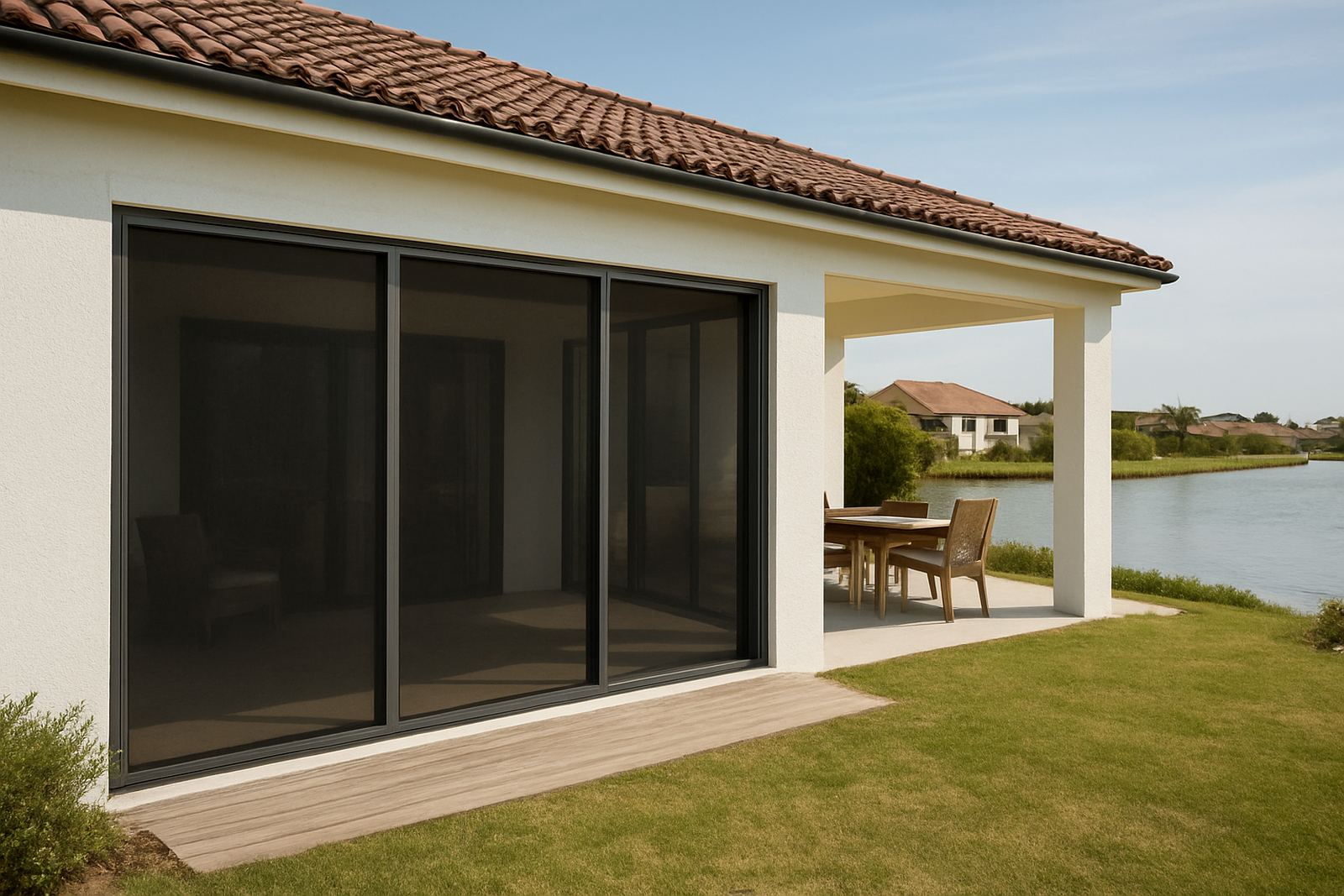
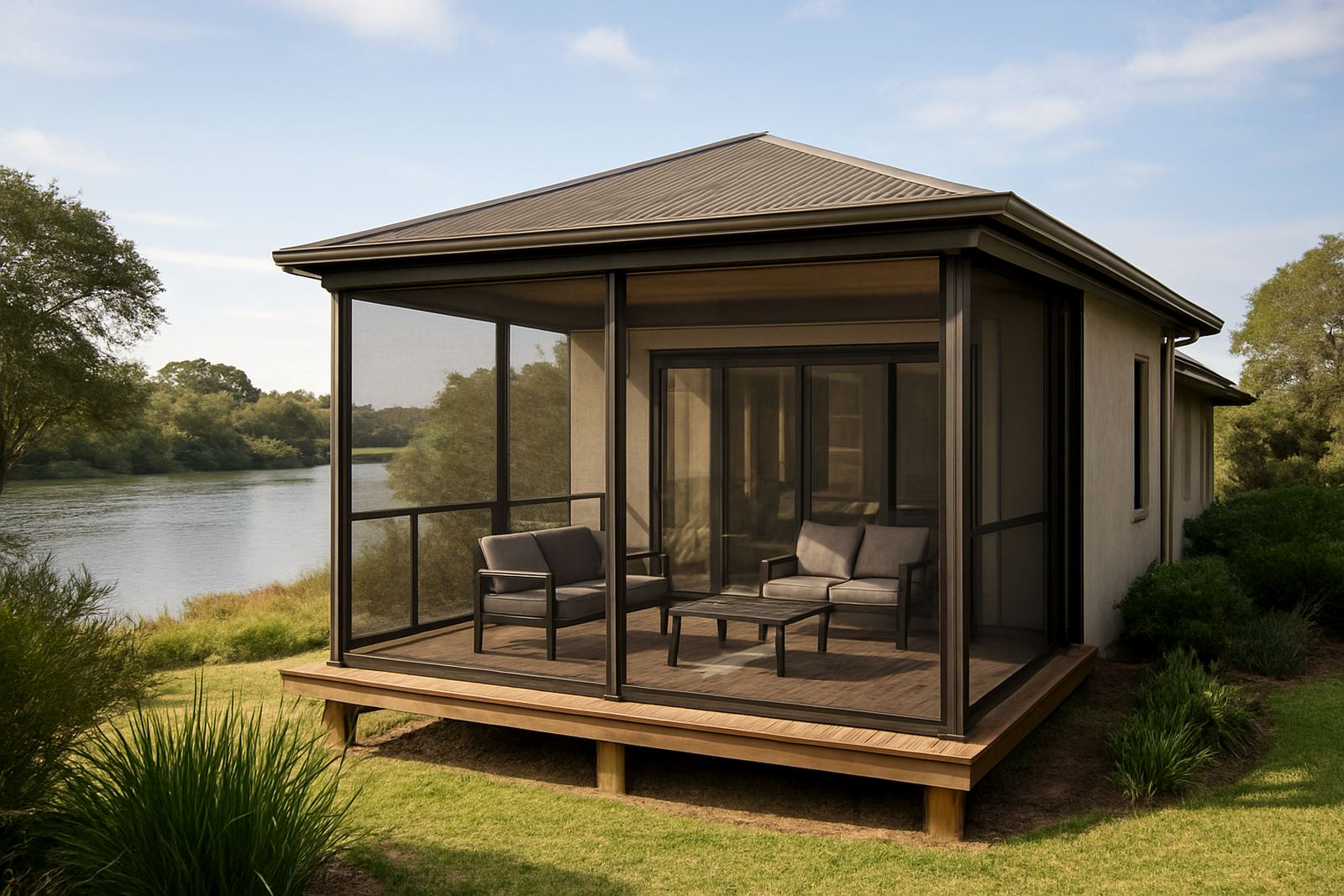
The client is a private homeowner in Port Alfred, with a house set close to the river and living spaces that open toward the water. The brief was straightforward: keep insects out in the evenings, keep the breeze moving during the day, and make sure the opening system did not spoil the look of the home or get in the way of easy use.
There were a few clear constraints. The home gets strong humidity off the river, occasional wind movement through the openings, and regular seasonal insect pressure after sunset. The family also wanted a solution that would not feel heavy or industrial, because the house is used for relaxed indoor-outdoor living and weekend hosting. We were asked to keep the finishes neat and the moving parts simple enough for daily use, with no fuss for cleaning or changing between rooms.
- Town: Port Alfred
- Property type: Waterside private home
- Main need: insect control with free airflow
- Secondary need: a clean, understated finish
On-site measurements and product selection
We started with site measurements and a product consultation to check each opening, the direction of the prevailing breeze and how the household uses the rooms from morning through to evening. On a river property, one opening is never the same as the next, so we checked sill depths, frame reveals and where there would be space for opening and closing without rubbing against handles or furniture.
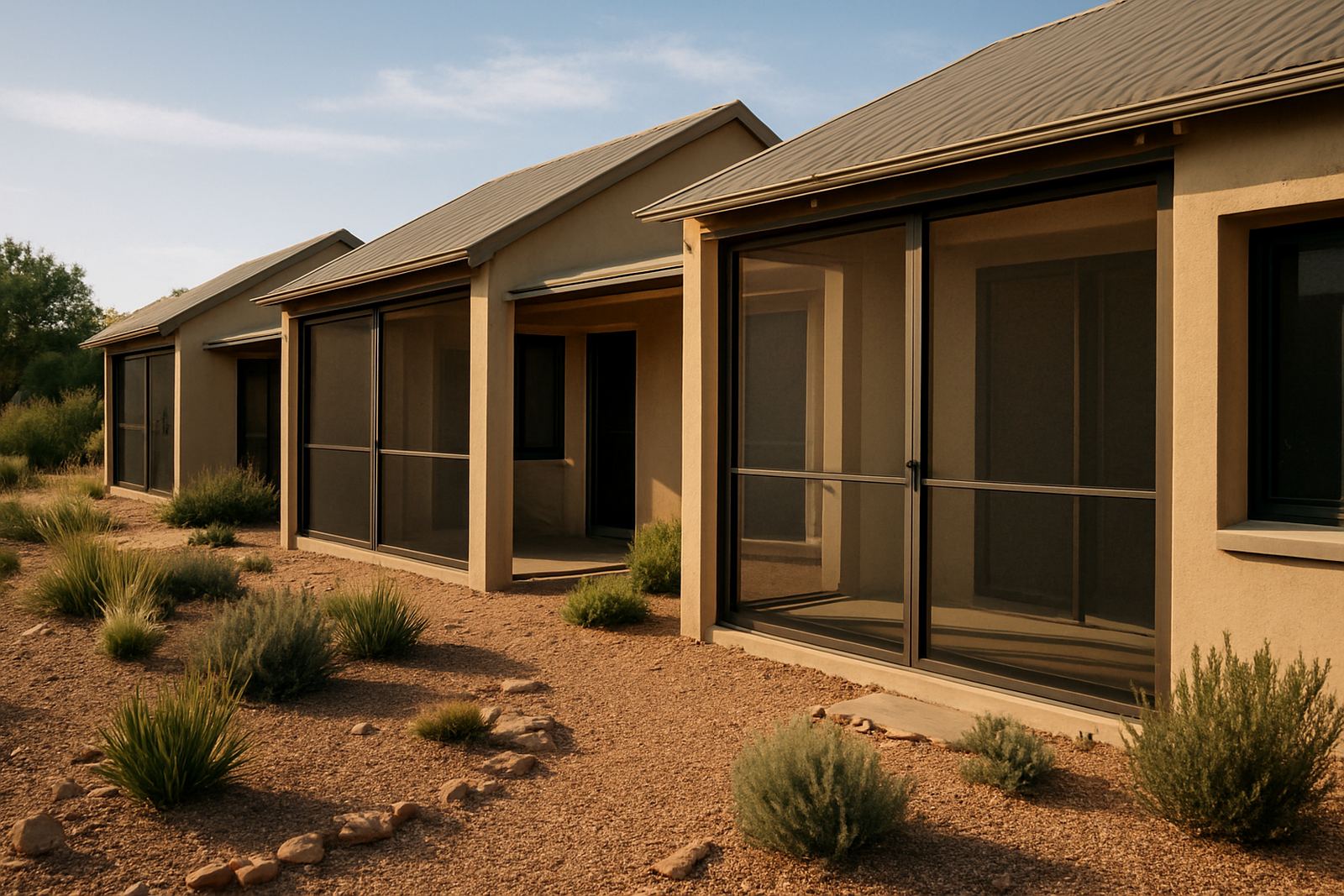
The selected solution combined custom insect screens with shading where needed. In the main living areas we used fine mesh screening on the openings that stay open most often, and in the sunnier spots we added shading to take the edge off glare without blocking the view. The mesh choice was important because the house is close to water and needs good airflow, but the openings still had to stop small insects effectively. We also allowed for easy cleaning since river homes pick up fine dust and salt movement from time to time.
- Custom manufacture to suit each opening
- Fine mesh for insect control and airflow
- Shading selected for bright exposed areas
- Finish matched to the home’s existing frames
What we supplied and installed
Our team supplied and installed custom-made screens for the main opening points, together with shading solutions in the areas that needed extra heat and glare control. The installation team worked room by room so the household could keep using the home while the work was underway, which helped on a property where the living areas link directly to outdoor spaces.
The screens were fitted to provide a snug, tidy closure with secure fixing points and smooth movement where openings needed regular use. We also checked hardware, tracks and contact points as part of the installation so the screens would not snag in the damp coastal air. One section needed a slight adjustment after first fit and that was sorted on site the same day. The final result was neat, practical and comfortable for day to day use.
- Custom insect screens for main openings
- Shading in sun-facing areas
- On-site adjustments after first fit
- Hardware checked for smooth everyday use
Timeline from measure to final handover
For this Port Alfred river home, we allowed three weeks from first site visit to handover. Week one covered measurement and product selection. Week two was for custom manufacture and final checks. Week three covered installation, small adjustments and a final walk-through with the homeowner.
That timing worked well for the client because there was no long disruption to family routines and no need to leave openings uncovered for long. In a coastal town, timing matters because once a home has open doors and windows, insects can become a problem quickly especially in the warmer months.
- Week 1: measurements and consultation
- Week 2: manufacture and preparation
- Week 3: installation and handover
Results in daily use
The home now has better airflow through the main living spaces, far less insect pressure at night and a more comfortable setup for opening the house to the river side. The shading also helped calm the strongest glare in the brighter rooms, making the spaces easier to use from late morning through to the afternoon.
For the homeowner, the biggest change was how natural it feels to live with the screens in place. Doors and windows can stay open longer without worry, the finish sits quietly in the background and the house still keeps its light, open character. That matters in Port Alfred where people want to enjoy the weather, but not the insects that come with it. The family told us the change was immediate and, more importantly, easy to live with.
- Improved indoor comfort in warm weather
- Better insect control after sunset
- Reduced glare in exposed rooms
- Easy daily use with low visual impact
What mattered most on a similar home
On a riverfront property like this, we would follow the same approach every time: measure carefully, allow for humidity and wind movement, and choose mesh and frame details that suit the way the house is actually used. We would also keep the installation plan flexible enough to handle small on-site changes, because older coastal homes often have openings that differ slightly from room to room.
For homes in Port Alfred, St Francis Bay, Jeffreys Bay and other coastal towns across the Eastern Cape, this is the kind of project where a custom fit makes all the difference. A good result is not only about stopping insects. It is about keeping the view, keeping the breeze, and making sure the house still feels easy to live in every day. That is the standard we would use again, and likely with the same attention to detail.
- Careful measuring before manufacture
- Materials chosen for coastal conditions
- Room-by-room installation for occupied homes
- Aftercare support if hardware needs attention later
Key facts
| Project location | Port Alfred riverfront home |
|---|---|
| Client type | Private homeowner |
| Scope | Insect screens, shading, hardware checks |
| Timeline | 3 weeks from measure to handover |
| Conditions | Coastal humidity, wind movement, insect pressure |
| Service area | Installations across the Eastern Cape |