Guesthouse brief in Richmond Hill
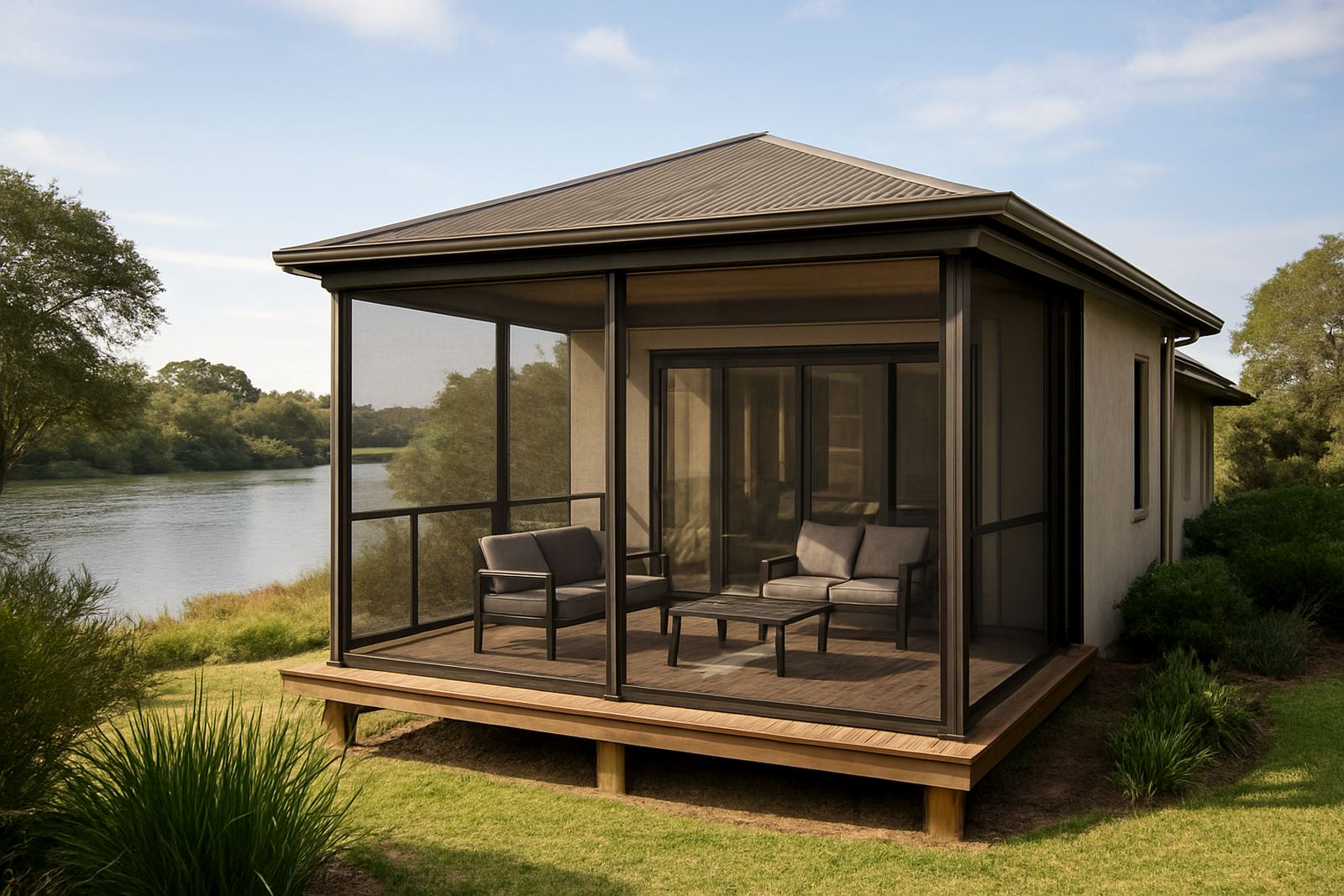
The owners of a small guest accommodation property in Richmond Hill asked us to help improve comfort in the rooms and on the shared veranda. The building serves a steady flow of visitors, so the solution had to look tidy, be simple for staff to use, and stand up to frequent opening and closing.
The main goal was to reduce fly and mosquito entry without blocking the fresh air that guests want in coastal Port Elizabeth weather. They also wanted added peace of mind at the shared veranda doors, where movement is constant and access control matters after hours.
- Property type: guest accommodation
- Area: Richmond Hill, Gqeberha
- Focus areas: room windows and shared veranda doors
- Key needs: airflow, insect control, better day to day security
Site conditions and practical constraints
The building has a mix of window sizes, older frames and exposed openings that face normal city dust, wind and coastal humidity. That means a one-size-fits-all product was not suitable. We carried out site measurements and checked each opening so the screens would fit properly and not bind on uneven frames.
Because this is guest accommodation, timing mattered as much as the product. Work had to be planned around occupancy, housekeeping and guest movement through the shared areas. There was also a need to keep noise and disruption low, so the installation was done in a way that allowed the property to keep operating while the work was underway.
- Mixed frame conditions across rooms
- High foot traffic on the veranda
- Need to avoid disruption to guests
- Exposure to wind, humidity and daily wear
What we supplied for the rooms and veranda
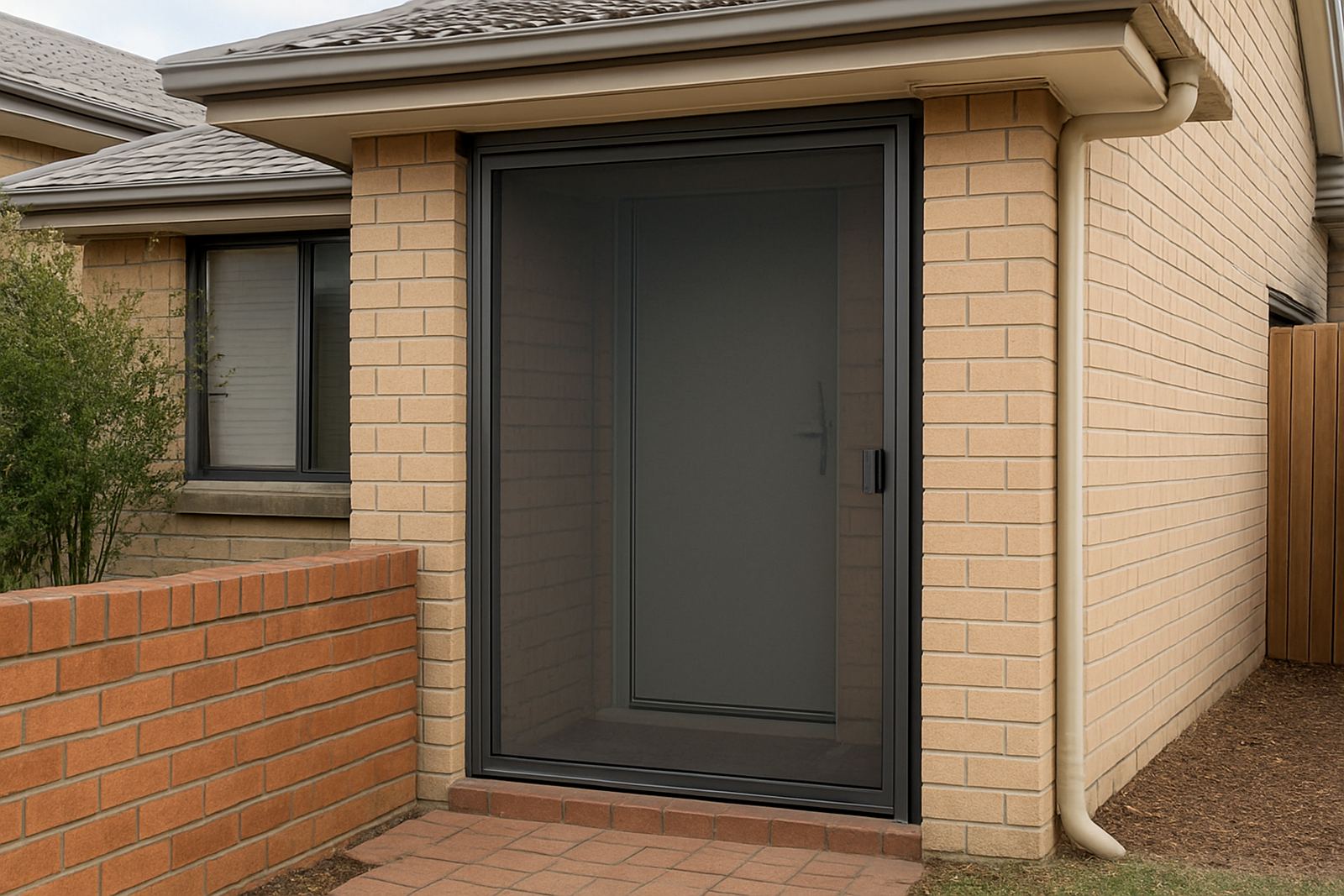
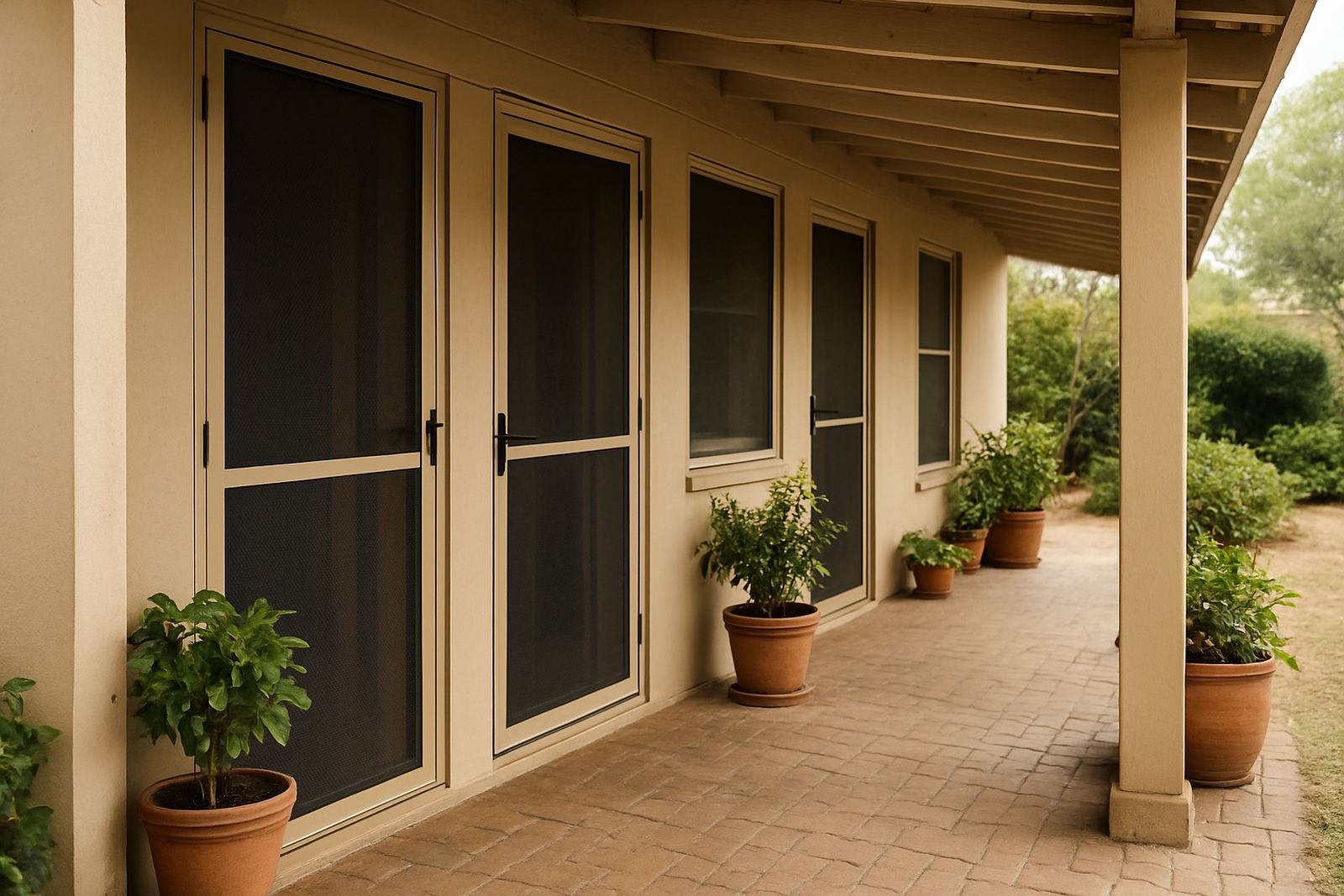
We recommended a combination of insect screens and security screens, made to size for the guest rooms and the shared veranda doors. The room openings were fitted with fine mesh to keep insects out while still allowing good airflow. For the doors, we used a stronger screen format that gives a visible barrier without making the space feel closed in.
The hardware was selected for regular use in a hospitality setting. That included neat frames, reliable closing action and fittings that can be adjusted during seasonal servicing. In a guesthouse, little things matter, and a sticky latch or loose track quickly becomes a daily nuisance.
- Custom insect screens for room windows
- Security screens for shared veranda doors
- Fine mesh for airflow and insect control
- Durable hardware suited to repeated use
Manufacture, finish and installation detail
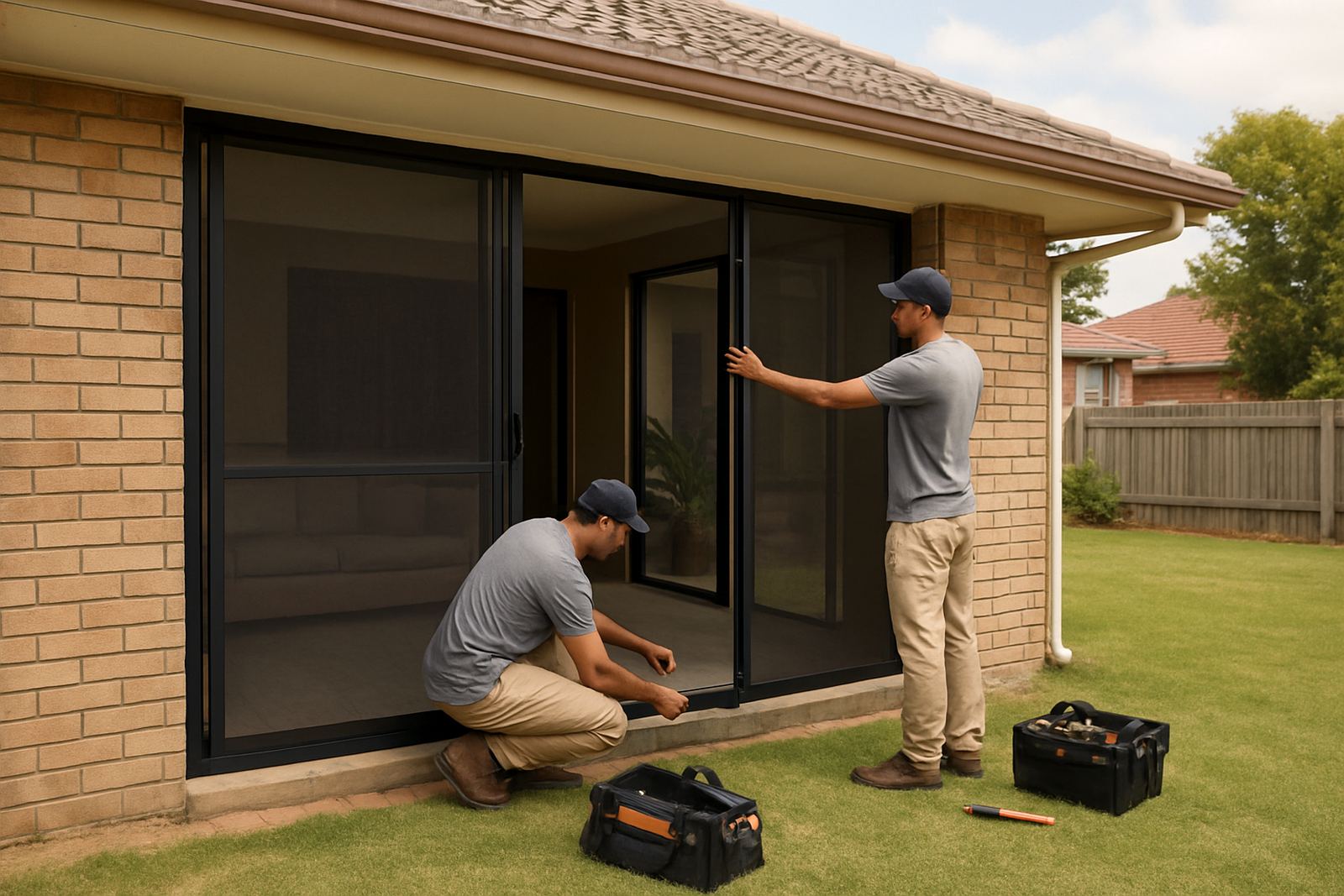
After measurements were confirmed, the screens were custom manufactured to suit the exact openings. This gave us a better finish on the older frames, where small variations are common. The result was a tighter fit and a cleaner look from both inside and outside the property.
Installation was carried out by our team in stages so the guesthouse could keep functioning. The crew worked through the room windows first, then moved to the veranda doors once access was clear. The customer wanted the finished product to blend with the existing building, and that is where careful alignment and a neat finish count most.
- Custom manufacture after site measurement
- Staged install to suit guesthouse operations
- Careful alignment on older openings
- Finish selected to suit the building style
Timeline and handover
The project was completed over 3 weeks from first site visit to final handover. Week one covered consultation and measurements. Week two covered manufacture and hardware preparation. Week three was reserved for installation, final adjustment and a practical walk-through with the owner.
Before we left, we checked opening and closing, confirmed that the screens were seating correctly, and showed the staff how to handle routine cleaning and basic care. For a hospitality client, that handover is as important as the install because it keeps the system working properly after the first busy weekend.
- Week 1: consultation and measurements
- Week 2: manufacture and hardware prep
- Week 3: installation and handover
- Staff shown cleaning and care steps
Results for guests and staff
The guesthouse now has better insect control in the rooms, and the shared veranda doors feel more secure after hours. The owners also gained a more comfortable environment for guests who prefer fresh air instead of running cooling units all the time. That can be useful in Gqeberha when temperatures shift through the day and load-shedding affects normal comfort routines.
The property now presents better to visitors too. The screens are practical first, but they also help keep the place looking cared for. For a guesthouse, that matters because first impressions start at the door and continue right through the stay. It was a simple upgrade, but one that made a noticeable difference.
- Reduced insect entry in guest rooms
- Better control over shared access points
- Improved comfort with natural ventilation
- Cleaner appearance across key openings
What we would do again for similar guest accommodation
For similar guesthouse work, we would follow the same process again: measure each opening properly, separate the room screens from the higher use access points, and plan the installation around guest movement. That approach keeps the job tidy and practical.
We would also continue recommending a maintenance check after a few months, especially in coastal areas where humidity and wind can affect moving parts. On this type of property, a small seasonal adjustment can prevent bigger problems later on, and it keeps the screens performing the way they should.
- Measure every opening individually
- Use different screen types for windows and doors
- Plan around guest flow and housekeeping
- Book seasonal checks for moving parts and mesh
Key facts
| Project name | Richmond Hill Guesthouse |
|---|---|
| Location | Richmond Hill, Gqeberha |
| Client type | Guest accommodation |
| Products supplied | Custom insect screens and security screens |
| Scope | Room windows and shared veranda doors |
| Timeline | 3 weeks from first visit to handover |